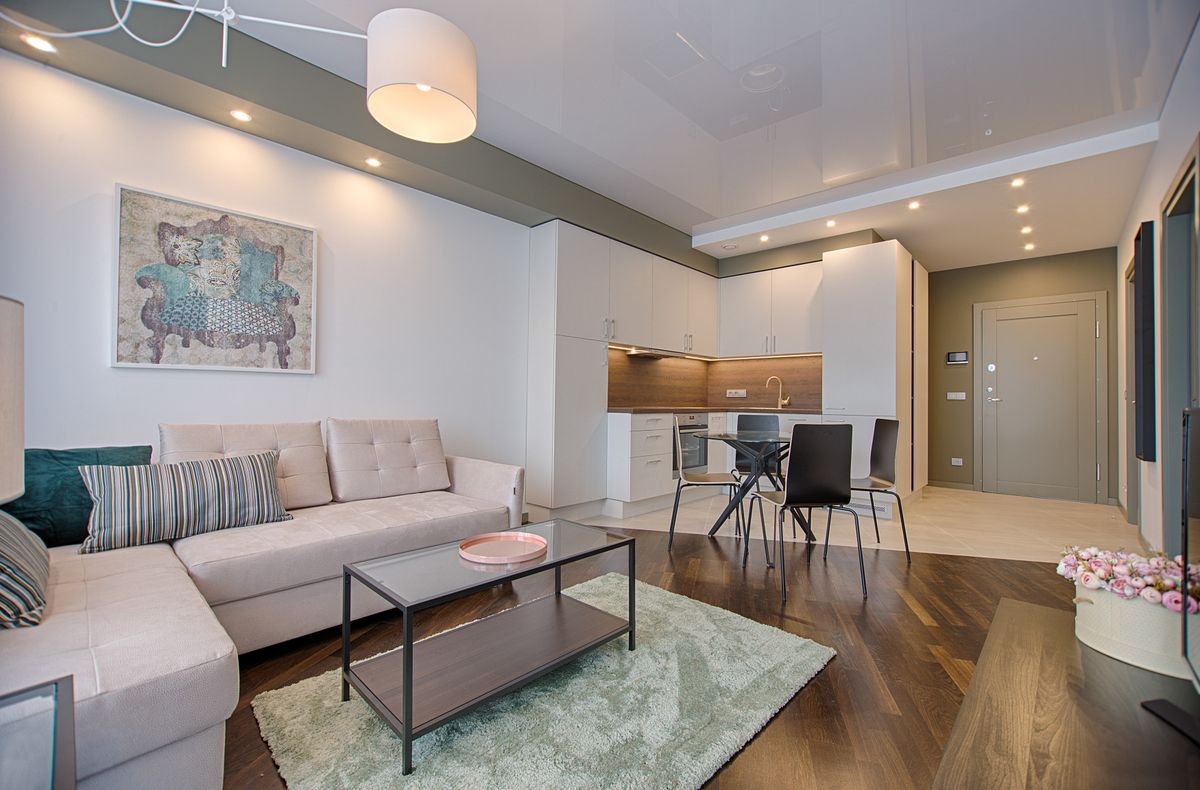
Open plan living is the dominant layout of modern residential design. Kitchen-dining-living spaces without physical walls between them create light, flexibility, and a feeling of space that closed-plan layouts simply can’t match. But they also create a specific design challenge: how do you give each area its own identity and definition when there are no walls to separate them?
Wall art is one of the most powerful tools available for creating zones in open plan spaces. Used strategically — the right pieces in the right positions with the right visual consistency within zones — art creates the sense of distinct areas without any physical architecture at all.
The Zone-Creation Framework
Think of your open plan space as three distinct zones, each with its own art character:
The Living Zone is typically anchored by the sofa and is the most social, display-forward area. Art here can be bolder, more editorial, and arranged as a considered display. This zone’s art sets the primary visual tone of the whole space.
The Dining Zone is more formal and typically benefits from a single strong focal piece — a large print or canvas above or near the dining table rather than a gallery wall arrangement.
The Kitchen Area in an open plan space usually has less available wall space, but the art used here should be more graphic, more utilitarian in subject — food, botanical prints, typography — and simpler in format.
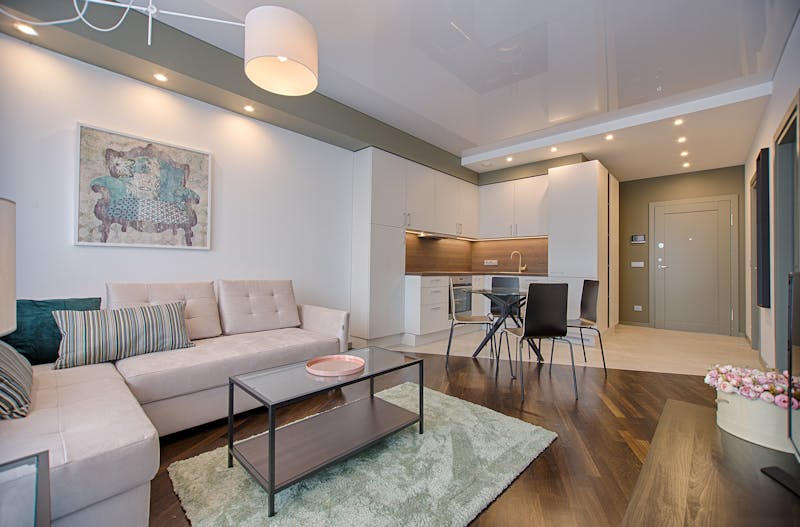
Using Art to Define Space: Specific Strategies
Strategy 1: Anchor Art
Each zone should have one dominant, anchoring art piece that gives the zone its visual centre of gravity. The living zone anchor sits above the sofa; the dining zone anchor sits above or behind the dining table; the kitchen anchor (if space allows) goes on the breakfast bar wall or the largest kitchen wall section. These three anchor pieces should be related in some way — similar frame style, complementary palette, or consistent art style — even if the subjects differ.
Strategy 2: Consistent Frame Families
One of the most effective ways to make an open plan space feel designed rather than random is to use consistent framing across all zones. If the living zone uses natural wood frames, use natural wood frames in the kitchen too. Visual consistency in hardware creates a feeling of curation that bridges the physical space.
Strategy 3: Colour Story Across Zones
The art in each zone should share at least one colour with art in the adjacent zones. This colour continuity creates a visual thread that runs through the open space and makes it feel like a single designed interior rather than three separate rooms pushed together.

Large Living Zone Canvas — Abstract Warm Tones
Statement canvas for the living zone anchor — available in multiple sizes up to 120×80cm.
$92 View on Amazon
Dining Area Botanical Print — Single Oversized
Single large botanical for the dining zone — creates definition without overwhelming the space.
$48 View on Amazon
Kitchen Typography Print — Graphic Script
Food-related typography in clean graphic style — appropriate for kitchen wall areas in open plan.
$22 View on Amazon
Matching Frame Set — Natural Wood, Mixed Sizes
Multi-size natural wood frame set for creating consistent frame family across zones.
$75 View on Amazon
Abstract Art Print — Matching Pair for Living/Dining
Complementary pair of abstract prints designed to work across zones in open plan spaces.
View on Etsy
Botanical Set for Open Plan — Three Zone Collection
Curated set of three botanical prints designed for kitchen, dining, and living zones.
View on Etsy✕ What to Avoid
- Completely different art styles in adjacent zones — it creates a fragmented rather than designed space
- Treating the open plan as one single art space — the zones need their own identity
- Gallery walls in the kitchen zone — the complexity doesn’t suit the functional character of the space
- Art placed without reference to furniture — in open plan, art must always relate to the zone’s anchor furniture
- Very small art in large open spaces — scale up in proportion to the ceiling height and floor area