“Glamoratti” Wall Art: Why Reflective Metal and Glass Are Suddenly Everywhere
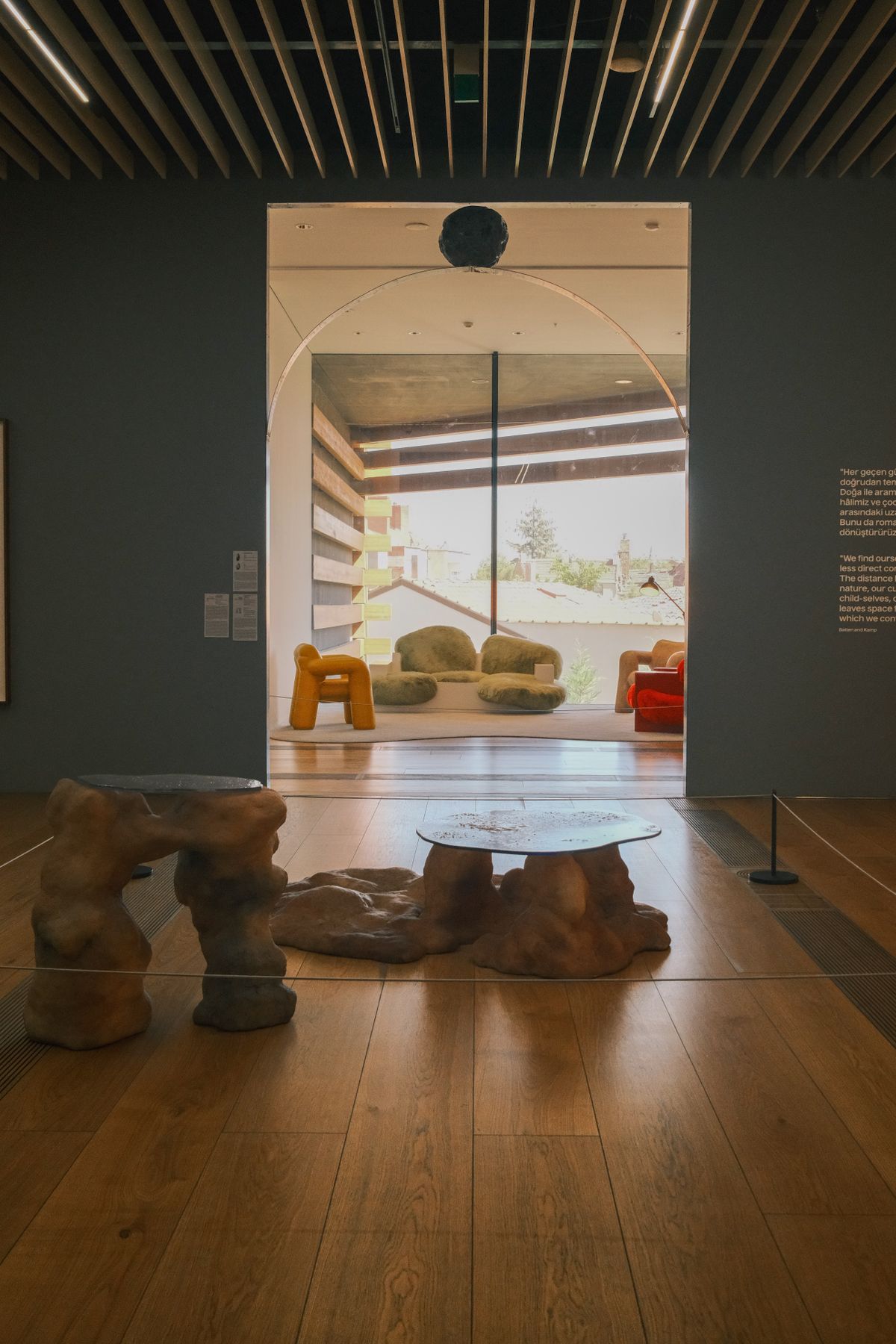
Reflective, high-gloss surfaces are showing up across 2026 home trend coverage under a specific named label — “Glamoratti” — and the underlying pattern connects directly to wall art: large-format metal pieces, 3D layered metal sculpture, and mirror-metal fusion designs are being flagged specifically as rising categories within it.
What Glamoratti Actually Describes
Industry trend coverage describes Glamoratti as centered on intentional shine and polished finish — lacquer, chrome, polished steel, and glossy furniture surfaces working together to shape a room and bounce available light around it, rather than any single specific material or object type. This distinguishes it from a narrower material-specific trend and positions it more as an overall design philosophy about how surfaces should behave.
Trade-side reporting on this trend specifically calls out large-format metal art, 3D layered metal pieces, and mirror-metal fusion designs as particularly well-aligned with the broader Glamoratti direction, drawing on real installation experience across a wide range of home types and lighting conditions.
How Glamoratti Overlaps With, and Differs From, Neo Deco and Extra Celestial
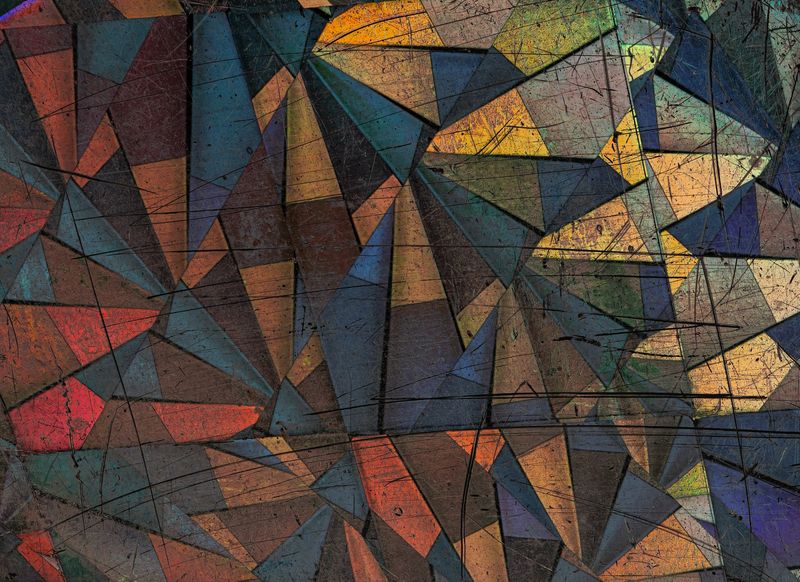
Glamoratti, Neo Deco, and Extra Celestial all lean on reflective, light-interacting materials, but for different underlying reasons — Neo Deco’s metallic elements reference a specific historical design era, Extra Celestial’s reflective and iridescent surfaces reference futuristic, sci-fi visual language, while Glamoratti is described more simply as intentional glamour and polish without a specific historical or thematic anchor.
This overlap is genuinely useful rather than confusing: a single well-chosen reflective metal wall piece can plausibly serve any of these three related but distinct 2026 trend directions, depending on the rest of the room’s styling context around it.
Why Metal and Glass Wall Art Specifically Fit This Moment
Metal wall art has a functional advantage that print or canvas simply can’t replicate: it physically bounces and redirects available light around a room, which becomes more valuable as trend coverage increasingly emphasizes reflective surfaces as a deliberate design tool rather than an incidental finish choice.
Versatility across interior styles is another practical advantage — metal wall art works across industrial-modern, traditional, and transitional interiors alike, since the material itself (rather than a specific pattern or subject) is what’s doing the trend-aligned work, making it a lower-risk purchase than a more narrowly stylized piece.
Choosing a Piece That Actually Delivers the Effect
Genuine dimensional, sculptural metal pieces read as significantly more reflective and light-interactive than flat metal-finish prints, since actual three-dimensional form creates real, moving shadow and highlight as the light source or viewing angle shifts throughout the day.
Placement relative to a room’s main light source matters more for this category than for flat printed wall art — a reflective metal piece positioned to catch afternoon light from a window will visibly change character throughout the day in a way a flat print never will, which is genuinely part of the appeal rather than an incidental side effect.
Weighing the Real Cost of Reflective Wall Art Against Its Impact
Genuine metal and glass wall art generally commands a higher price than an equivalently sized canvas print, largely because the manufacturing process (casting, welding, hand-finishing metal, or working with glass) is inherently more labor- and material-intensive than printing an image onto fabric.
That price difference is worth weighing specifically against this trend’s core value proposition: light interaction. A large printed canvas provides consistent, unchanging visual information regardless of the room’s lighting, while a genuinely reflective metal or glass piece changes character throughout the day as natural light shifts — a real, ongoing return on the piece rather than a one-time visual impression, which is part of what justifies the higher typical cost for buyers genuinely chasing this specific trend.
A practical middle path for testing this trend before a larger investment is a single smaller reflective piece in a spot with strong natural light exposure, rather than committing immediately to a large-format metal or glass statement piece across an entire room.
Combining This Trend With Existing Room Elements
Reflective metal and glass wall art tends to pair especially well with existing wood-toned or matte furniture, since the contrast between a reflective piece and non-reflective surrounding surfaces makes the metal or glass element read as a genuine focal point rather than blending into an already-shiny room.
Lighting placement matters more for this trend than for most flat wall art — positioning a reflective piece where it catches either natural daylight or a warm accent lamp specifically enhances the light-bouncing quality that’s central to Glamoratti’s appeal, while a poorly lit reflective piece can actually read as flat and lose much of its intended impact.
Because this trend overlaps materially with both Neo Deco and Extra Celestial, a single well-chosen reflective piece can genuinely serve double duty across a room styled toward either of those related trends, making it one of the more versatile individual purchases within this year’s broader reflective-surface movement.
How This Trend Might Evolve Over the Coming Year
Because Glamoratti is described more as a general design philosophy (intentional shine and polish) than a narrowly defined aesthetic, it’s reasonably likely to persist even as more specific related trends like Neo Deco or Extra Celestial evolve, since reflective surfaces can adapt to whichever more specific stylistic direction eventually supersedes them.
This durability is part of why reflective metal and glass wall art represents a relatively safe investment within this year’s broader trend landscape — even if the specific named trend label changes, genuine, well-made reflective pieces tend to remain stylistically relevant across multiple adjacent design directions.
Reflective Trend Quick Comparison
| Trend | Underlying Reference |
|---|---|
| Glamoratti | General intentional glamour and polish, no specific era or theme |
| Neo Deco | Specific historical Art Deco design era, geometric vocabulary |
| Extra Celestial | Futuristic, sci-fi visual language, iridescent/holographic finish |
Frequently Asked Questions
They’re related but distinct — both favor reflective materials, but Neo Deco specifically references the historical Art Deco design era, while Glamoratti is described more broadly as intentional shine and polish without a specific historical anchor.
It’s genuinely more versatile than pattern- or subject-specific art, since the reflective material itself does the stylistic work across industrial, traditional, and transitional interiors alike.
A reflective piece’s appearance changes visibly throughout the day depending on available light and viewing angle, which is part of its appeal — a flat print doesn’t have this same dynamic quality regardless of placement.
Genuine three-dimensional form creates real, moving shadow and highlight as light shifts, while a flat metal-finish print only simulates reflectivity in a static way.
Its broader, less narrowly-themed framing (general glamour and polish rather than a specific historical or futuristic reference) may give it more flexibility to persist as adjacent trends like Neo Deco or Extra Celestial evolve or fade.
No — a single well-chosen reflective metal or glass wall piece in one room is a genuine, sufficient way to engage with this trend without a larger redecorating commitment.
The Bottom Line
Glamoratti describes a broader shift toward intentional, light-bouncing surfaces across 2026 home trends, and metal and glass wall art sit at the direct center of it — genuinely dimensional, reflective pieces deliver the effect in a way flat prints simply can’t replicate. Given its broader, less narrowly historical framing than related trends like Neo Deco, a reflective metal or glass piece purchased now is also a reasonably safe long-term investment, likely to remain stylistically relevant even as more specific adjacent trends continue to shift.