“Extra Celestial” Is 2026’s Strangest Wall Decor Trend — And It’s Real
“Alien core aesthetic” searches are up 80% year over year on Pinterest, and “opalescent” searches are up 115% — genuinely strange numbers to see in a home decor trend report, but genuinely real ones, part of what Pinterest names “Extra Celestial” in its official 2026 trend forecast.
What the Data Actually Shows
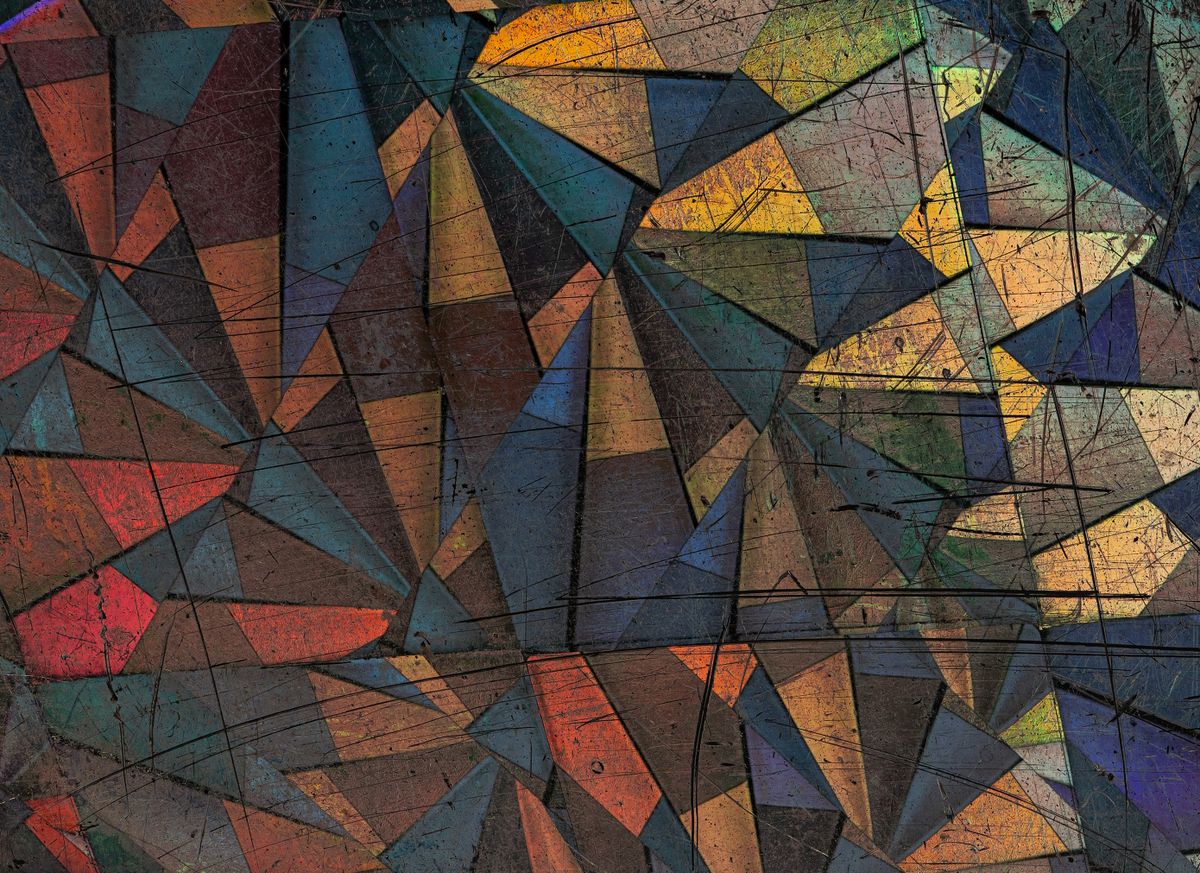
Pinterest’s own reporting describes Extra Celestial as a fusion of sci-fi, space exploration, and futuristic aesthetics, with specific supporting search terms including “alien core aesthetic” (up 80%) and “opalescent” (up 115%), alongside related increases in searches for holographic home accents and iridescent finishes. Pinterest positions this trend as most strongly associated with Gen Z and Millennial searchers specifically.
Multiple independent trend-tracking sources covering Pinterest’s 2026 report converge on the same core vocabulary — holographic surfaces, opalescent or iridescent finishes, chrome and metallic accents, sculptural futuristic silhouettes — which is a useful cross-check that this isn’t a single outlet’s exaggerated interpretation of thin data.
Why This Trend Exists Now, Not Just What It Looks Like
Design commentary tracking Extra Celestial has connected it to a broader cultural mood among Gen Z and Millennial audiences navigating overlapping digital, AI-driven, and climate-uncertain realities — the trend’s appeal is framed less as pure escapism and more as a reclaiming of optimism and reinvention through fantastical, forward-looking visual language, at a moment when “the future” as a design concept had become associated more with anxiety than wonder.
This context matters for anyone deciding whether to actually buy into the trend rather than just enjoy it as a curiosity: a trend rooted in a genuine generational mood shift, corroborated across multiple design outlets, has more staying power than one driven purely by a single viral image or celebrity home reveal.
Translating Extra Celestial Into Actual Wall Art
Iridescent and opalescent glass wall pieces are the most literal translation of this trend into wall art specifically — genuine glass with a shifting, rainbow-like surface quality directly echoes the “opalescent” search term at the center of Pinterest’s data, in a way a flat printed rainbow gradient can’t replicate.
Reflective and holographic-finish metal wall sculptures offer a second direct application, particularly pieces with a sculptural, non-flat silhouette — Pinterest’s own description specifically calls out “sculptural pieces that catch and bend light” as a hallmark of the trend, which points toward genuinely dimensional work rather than flat wall art regardless of finish.
A Practical Note on Committing to This Specific Trend
Because Extra Celestial’s visual language is genuinely more unconventional than most home decor trends, a smaller-scale application (a single suncatcher, one accent mirror, a modest metal sculpture) is a lower-risk way to test whether the aesthetic actually suits your space before committing to a full room treatment.
The trend’s own supporting materials (holographic finishes, iridescent glass) also tend to interact strongly with natural light throughout the day, meaning placement near a window will produce a genuinely different, more dynamic effect than the same piece in a windowless interior room.
Space Aesthetics in Design History, and Why They Keep Returning
Space-inspired design has surfaced repeatedly across design history at moments of genuine technological optimism — the mid-century “Space Age” design movement of the 1950s and 60s, itself tied to the real space race and coinciding with an era of confident, forward-looking industrial design, is the most direct historical precedent for what Extra Celestial is doing now.
What distinguishes the current iteration from that earlier Space Age movement is its emphasis on iridescence and holographic surface quality specifically, rather than the cleaner, more minimal futurism of mid-century space-age design — Extra Celestial leans toward a more maximalist, glowing visual language that design commentary explicitly frames as “dramatic” and “proudly surreal” rather than restrained.
This pattern of space aesthetics resurfacing during periods of rapid technological change and cultural uncertainty suggests the current trend isn’t a purely arbitrary aesthetic choice, but part of a recurring design response to a specific kind of cultural moment — useful context for anyone deciding whether this is a fad likely to fade quickly or a genuine expression of a broader, recurring cultural pattern.
Balancing This Trend Against a More Traditional Room
Because Extra Celestial’s visual language is genuinely more unconventional than most home decor trends covered in this series, it tends to work best as a deliberate accent within an otherwise more restrained room, rather than as the dominant aesthetic throughout an entire space — one striking iridescent or holographic piece against a calm, neutral backdrop reads as intentional in a way an entire room built around the aesthetic might not for most buyers.
This is a genuinely different approach than trends like Afrohemian Decor or Neo Deco, which lend themselves more naturally to broader room-wide application — Extra Celestial’s more experimental, futuristic quality benefits from restraint elsewhere in the room specifically because its visual impact is strong enough to read clearly even in small doses.
For buyers unsure whether this aesthetic will hold long-term appeal, starting with a smaller, less expensive piece (a suncatcher rather than a large sculptural metal installation) is a lower-risk way to live with the look before committing further.
Whether This Trend Suits Your Existing Design Sensibility
Because this trend’s core appeal is explicitly tied to a specific generational cultural mood (per design commentary connecting it to Gen Z and Millennial experiences with digital life and rapid technological change), it may resonate less directly with buyers outside that generational context, which is worth honestly considering before investing significantly in the aesthetic.
A useful gut check: if the described visual language (holographic, iridescent, dramatically futuristic) genuinely excites rather than merely intrigues you, that’s a stronger signal for committing further than simply wanting to participate in a trend because the search numbers are impressive.
Extra Celestial Wall Piece Types
| Piece Type | Trend Alignment |
|---|---|
| Iridescent/opalescent glass | Directly matches the trend’s core named search term |
| Holographic-finish metal sculpture | Matches the “sculptural, light-bending” description in Pinterest’s own trend materials |
| Flat metallic-look prints | Weakest match — lacks the genuine light-interaction central to the trend |
Frequently Asked Questions
It refers to a surface quality that shifts color and shows a rainbow-like shimmer depending on the viewing angle and light, similar to how opal gemstones or certain glass finishes behave.
Pinterest positions Extra Celestial as most strongly associated with Gen Z and Millennial searchers specifically, distinct from other 2026 trends tied to older demographics.
No — it’s centered on material qualities (iridescence, holographic finish, reflective sculptural form) rather than literal astronomical or alien imagery, per Pinterest’s own description.
Start with one smaller piece — a suncatcher, an accent mirror, or a modest sculptural metal piece — placed near natural light, rather than a full-room treatment, given how unconventional the aesthetic is relative to most home trends.
Its unconventional, experimental quality makes it harder to predict than more classic trends, but the fact that it’s rooted in a documented generational mood shift (rather than a single viral moment) suggests more staying power than a purely aesthetic fad.
Yes, and it’s generally the recommended approach — a single striking piece against a calm, traditional backdrop tends to read better than attempting to convert an entire traditional room to this more experimental aesthetic.
The Bottom Line
Extra Celestial’s real search data, corroborated across multiple design outlets, points to a genuine generational mood shift toward optimistic, futuristic visual language — not a fleeting single-image trend. For wall art specifically, genuine iridescent glass and reflective sculptural metal are the most authentic ways to translate it.