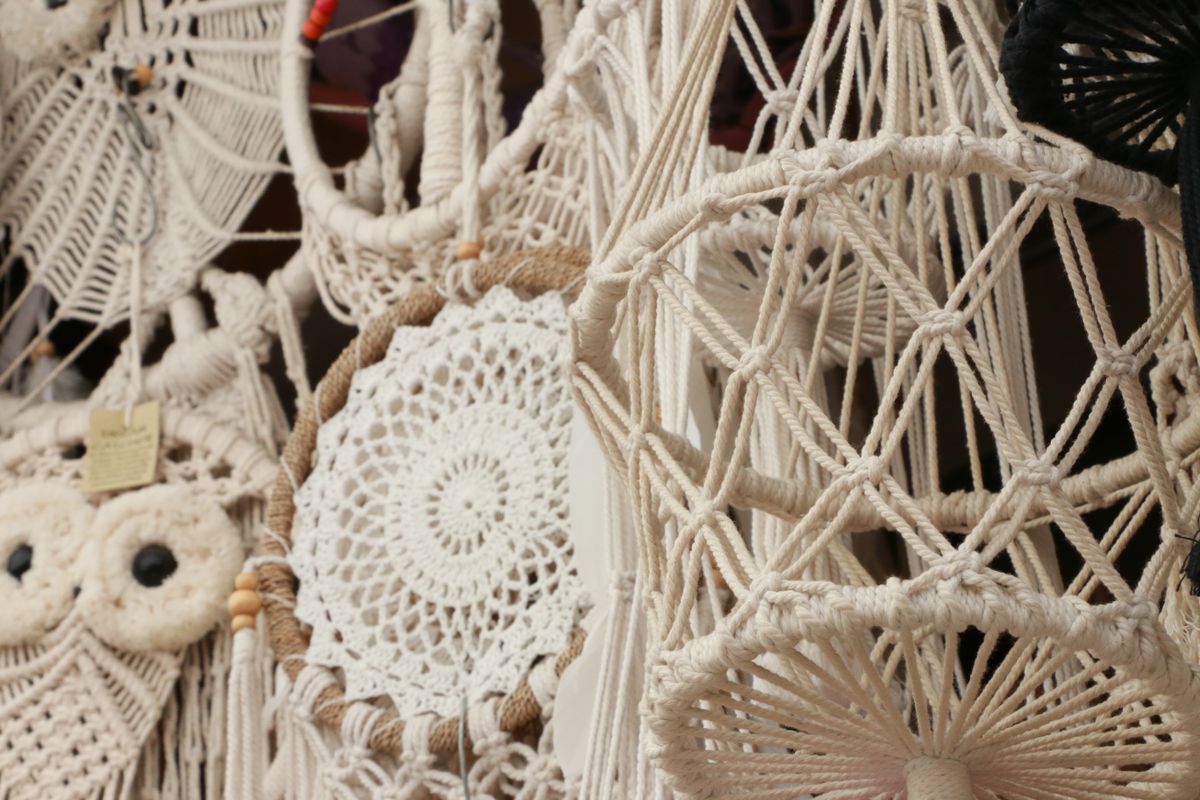
Doily Décor Is Back — What a 105% Search Surge Means for Wall Art
“Lace doily” searches are up 105% year over year on Pinterest, a genuinely specific and sizable jump for what might otherwise seem like a minor, grandmother’s-house decorating detail — and it’s part of a broader 2026 shift Pinterest itself frames around fabric and pattern nostalgia moving from fashion into home decor.
Where This Number Actually Comes From
Pinterest’s 2026 trend report tracks doily patterns as part of a broader pattern-and-texture movement, noting the style is set to appear both in fashion accessories and in home decor applications like frilly-edged dinnerware and fabric coverings — the 105% figure specifically covers the lace doily search term as tracked in the platform’s internal data.
This kind of cross-category movement (a pattern appearing in both fashion and home searches simultaneously) is a genuinely useful signal for gauging trend durability, since it suggests a broader aesthetic shift in taste rather than an isolated home-decor microtrend with a shorter likely shelf life.
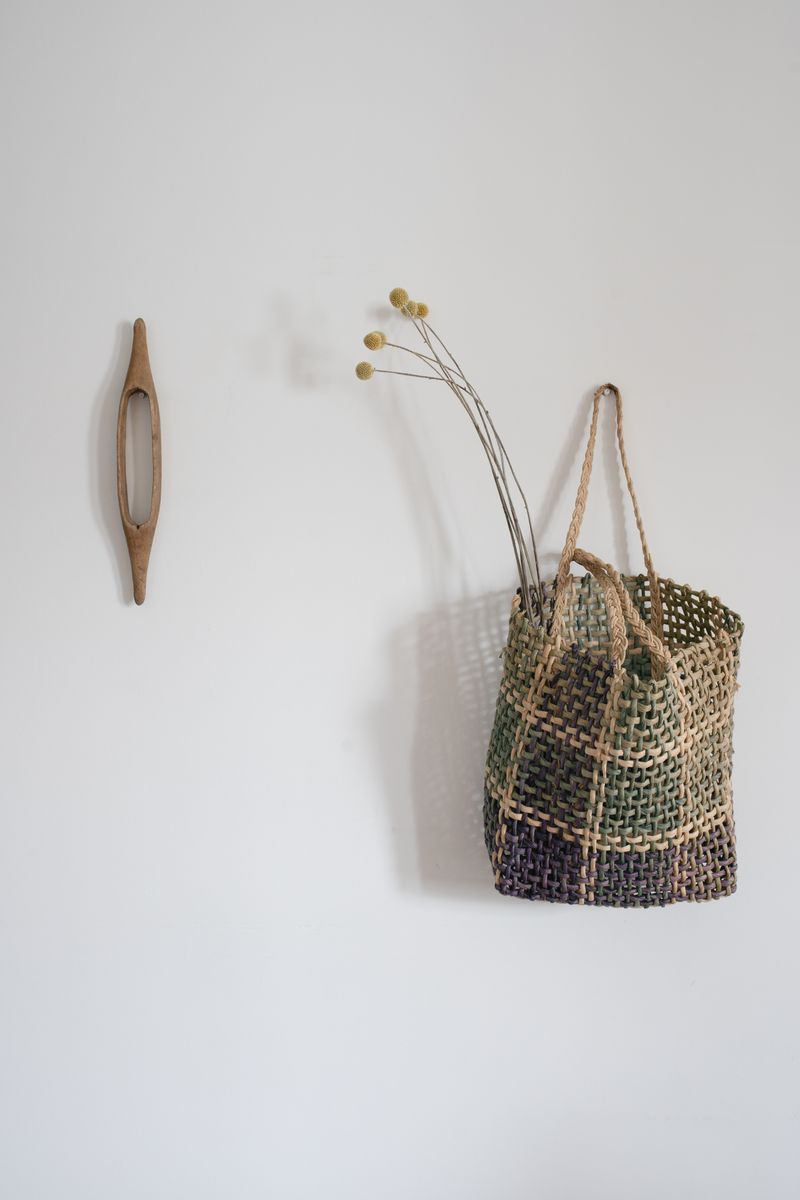
The Texture and Pattern Logic Behind This Specific Revival
Doily patterns are historically associated with crocheted or tatted lace, traditionally used as protective coverings under vases, lamps, and other decorative objects — their current search resurgence taps into a broader nostalgic, handcrafted-textile aesthetic that overlaps meaningfully with vintage and heirloom decor trends more generally, rather than existing as a truly standalone new style.
The delicate, intricate negative-space quality of lace doily patterns (open areas within a structured design) is genuinely distinct from most other pattern trends in this current cycle, which tend toward bolder, higher-contrast visuals (Neo Deco’s geometric confidence, FunHaus’s bright color) — doily patterns instead offer a quieter, more textural, almost architectural pattern logic.
Translating This Into Actual Wall Art
Pressed botanical pieces and delicate stained glass suncatchers share the same fine, intricate, light-catching quality that makes lace doily patterns visually appealing, even though the specific materials differ — both reward closer inspection and repay slower, more deliberate viewing than a bold graphic print.
Vintage-styled framed pieces with delicate, ornate detailing (rather than bold flat color) align more naturally with this trend’s underlying aesthetic logic than most contemporary wall art categories, since the appeal here is specifically about intricacy and handcraft rather than scale or color impact.
A Practical Caveat Before Committing to This Specific Trend
Because this is a genuinely smaller, more niche trend than Afrohemian Decor or Neo Deco within Pinterest’s own 2026 report, it’s worth treating doily-inspired wall decor as a single accent choice within a broader vintage or heirloom-styled room, rather than a full design direction to build an entire space around.
The trend’s underlying appeal — delicate, handcrafted texture over bold graphic statement — pairs naturally with existing vintage and pressed-material wall art categories already covered on this site, making it a relatively low-cost way to test the aesthetic before any larger commitment.
A Short History of Lace and Doily Craft, and Why It Resonates Now
Doilies trace back to hand-tatted and crocheted lace traditions that became especially widespread in Western homes during the Victorian era, when handmade lace signified both domestic skill and a household’s relative prosperity, serving the practical function of protecting furniture surfaces from oil lamps and decorative objects while also displaying genuine handcraft.
The style fell out of mainstream fashion through much of the mid-to-late 20th century, becoming associated more with an older generation’s decor than a genuinely current aesthetic choice — which is part of what makes its 2026 resurgence notable, since it represents a genuine reclamation of a previously unfashionable, explicitly domestic craft tradition rather than a a continuously popular style simply gaining more momentum.
This pattern — an earlier generation’s handcraft tradition being rediscovered and reframed as intentional, nostalgic style rather than dated decor — mirrors a broader current interest in visible handmade texture across several of 2026’s other trends, suggesting doily-inspired decor isn’t an isolated curiosity so much as one specific expression of a wider appetite for genuine craft and texture over mass-produced uniformity.
Where This Trend Fits Within a Broader Room, Practically
Because doily-inspired wall pieces work through fine, intricate detail rather than bold scale or color, they read most effectively at a genuinely close viewing distance — a hallway, a reading nook, or a bedroom wall someone actually stands near, rather than a large across-the-room focal wall where the detail simply won’t be visible.
Pairing a doily-inspired or lace-patterned piece with other vintage or heirloom-styled elements already in a room (an antique frame, a vintage side table) tends to reinforce the nostalgic quality that makes this trend appealing, rather than isolating it as a single unrelated accent within an otherwise fully contemporary space.
Given the trend’s smaller scale within Pinterest’s broader 2026 report, treating it as a genuine personal discovery — something to incorporate because it resonates, rather than a major design direction to plan an entire room around — is both the more practical and more authentic way to engage with it.
Considering This Trend’s Place in a Broader Personal Style
Given its comparatively niche scale within Pinterest’s full 2026 report, Doily Décor is best understood as one available texture and pattern option within a broader vintage-leaning aesthetic, rather than a trend requiring dedicated, exclusive commitment on its own.
Buyers already drawn to handcraft and textile-forward decor more generally (including elements of Afrohemian Decor’s woven textile emphasis) may find this trend integrates naturally alongside pieces they’d already be drawn to, rather than existing as an isolated, unrelated style choice.
Doily-Adjacent Wall Art Options
| Piece Type | Shared Quality |
|---|---|
| Pressed botanical pieces | Delicate, fine detail rewarding closer inspection |
| Stained glass suncatchers | Intricate, light-interactive negative space |
| Vintage-styled ornate frames | Handcrafted detail over bold flat color or scale |
Frequently Asked Questions
It’s a more niche, smaller-scale trend within Pinterest’s 2026 report compared to headline trends like Afrohemian Decor or Neo Deco, better suited as a single accent choice than a full room direction.
Pinterest’s data suggests it’s part of a broader pattern-and-texture movement crossing from fashion into home decor simultaneously, tapping into a nostalgic, handcrafted-textile aesthetic.
Pressed botanical pieces, stained glass suncatchers, and vintage-styled ornate frames all share the same emphasis on fine, intricate detail over bold graphic impact.
Given its more niche scale within the broader 2026 trend report, it works better as a single accent within an existing vintage or heirloom-styled room than as a full design direction on its own.
It works most naturally within a vintage or heirloom-leaning room, but a single delicate piece can also serve as an intentional textural contrast within a more contemporary space, provided it’s chosen deliberately rather than as an isolated mismatch.
Genuine handcrafted lace and doily work typically shows visible thread texture and slight irregularity, while printed imitations tend to have a flatter, more uniformly repeated pattern.
The Bottom Line
Doily Décor’s 105% search jump is real but genuinely smaller in scale than this year’s headline trends — best treated as a single, delicate accent choice within a broader vintage-leaning room, using existing pressed botanical or stained glass pieces that share its intricate, textural appeal. Treated as one available texture within a broader personal style rather than a trend requiring exclusive commitment, it offers a genuinely low-cost, low-risk way to test whether delicate, handcrafted-feeling decor resonates before investing further in the broader vintage and heirloom aesthetic it connects to.