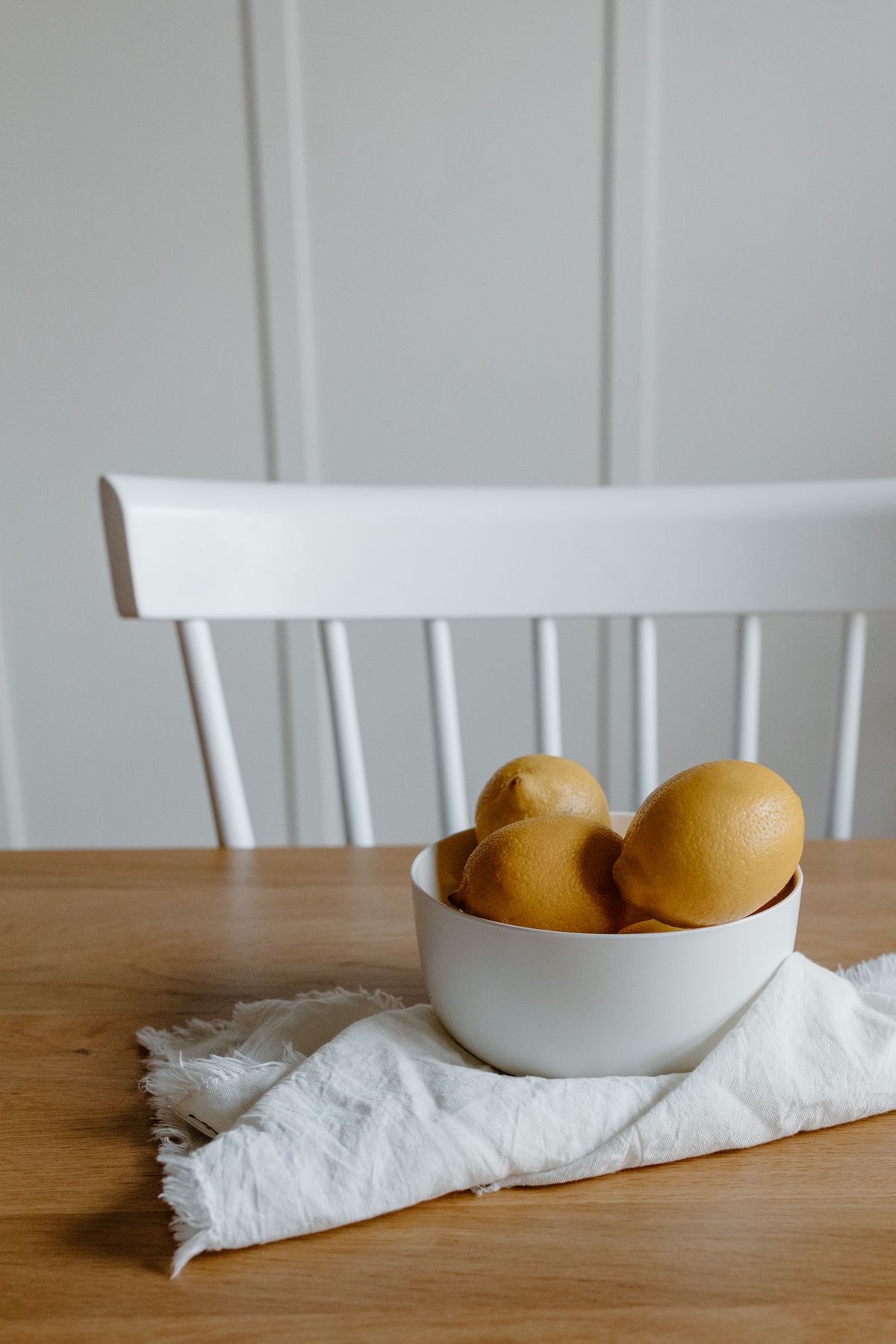
Minimalism is frequently misread as the absence of decoration, but the minimalist interiors that genuinely succeed are built on the opposite principle: extreme precision in what is chosen, rather than a simple absence of choice. Minimalist wall art demands more consideration per piece, not less, because each piece carries proportionally more visual weight in a room with so little else competing for attention.
The Precision Principle
In a maximalist room, a mediocre piece of art can hide among dozens of others. In a minimalist room, there is nowhere to hide. Every visual decision is magnified, which means minimalist wall art selection actually requires more discernment, not less, than decorating a more abundant space.
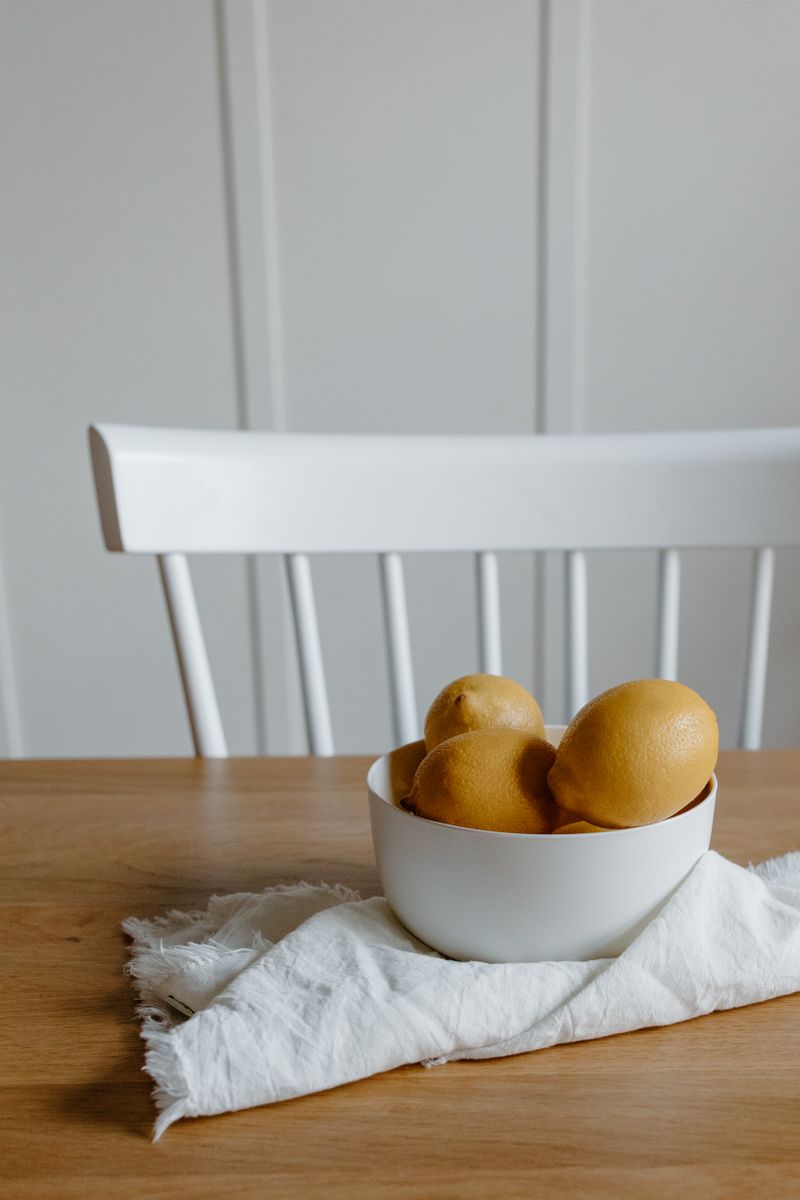
What Makes Art Genuinely Minimalist
Restraint in Subject
Minimalist art typically reduces its subject to essential forms, a single line, a simple geometric shape, an uncluttered horizon, rather than dense or complex imagery. The reduction itself is the aesthetic statement.
Generous Negative Space
Within the piece itself, minimalist art typically uses significant negative space, areas of plain background that give the essential forms room to register clearly. This negative space is as important to the composition as the marks themselves.
Restricted Colour Palette
Minimalist art typically works within a tightly restricted palette, often monochrome, or a maximum of two or three closely related tones. This restraint extends the room’s overall calm rather than introducing competing colour.
Quality of Materials and Execution
Because there’s so little visual content to judge, the quality of execution, the precision of a line, the subtlety of a tonal gradient, the quality of paper or canvas, matters disproportionately in minimalist art. Cheap reproduction is far more visible in this context than in a busier room.
Scale in Minimalist Rooms
Counter to instinct, minimalist rooms generally benefit from larger rather than smaller art. A single oversized, simple piece reads as confident and intentional; a small piece on a large empty wall reads as underwhelming or unfinished. The minimalist principle is fewer pieces, not necessarily smaller ones.

Single Line Minimal Print — Large Format
Large-format minimalist line art with generous negative space, exactly the confident scale minimalist rooms need.
$42 View on Amazon
Monochrome Abstract Canvas — Museum Quality
High-quality monochrome abstract canvas with genuine tonal subtlety and precise execution.
$95 View on Amazon
Simple Geometric Form Print — Restrained Palette
Single geometric form rendered in a tightly restricted two-tone palette.
$38 View on Amazon
Minimal Frame — Thin Black Profile
Extremely thin black profile frame, designed to disappear and let the art’s precision speak for itself.
$45 View on Amazon
Original Minimalist Ink Drawing — Single Form
Genuinely original minimalist ink drawing reduced to a single essential form.
View on Etsy
Fine Art Print — Limited Edition Minimal Abstract
Limited edition fine art print with genuine quality of execution, ideal for a precision-focused minimalist room.
View on Etsy✕ What to Avoid
- Choosing small art for large minimalist walls; go large with fewer pieces rather than small with sparse coverage
- Compromising on quality of execution; minimalist art has nowhere to hide poor printing or cheap materials
- Busy or detailed subject matter; the aesthetic depends on genuine reduction and restraint
- Multiple competing colour accents; restrict the palette to maintain the room’s overall calm
- Heavy or ornate framing; thin, simple profiles let the art’s precision remain the focus