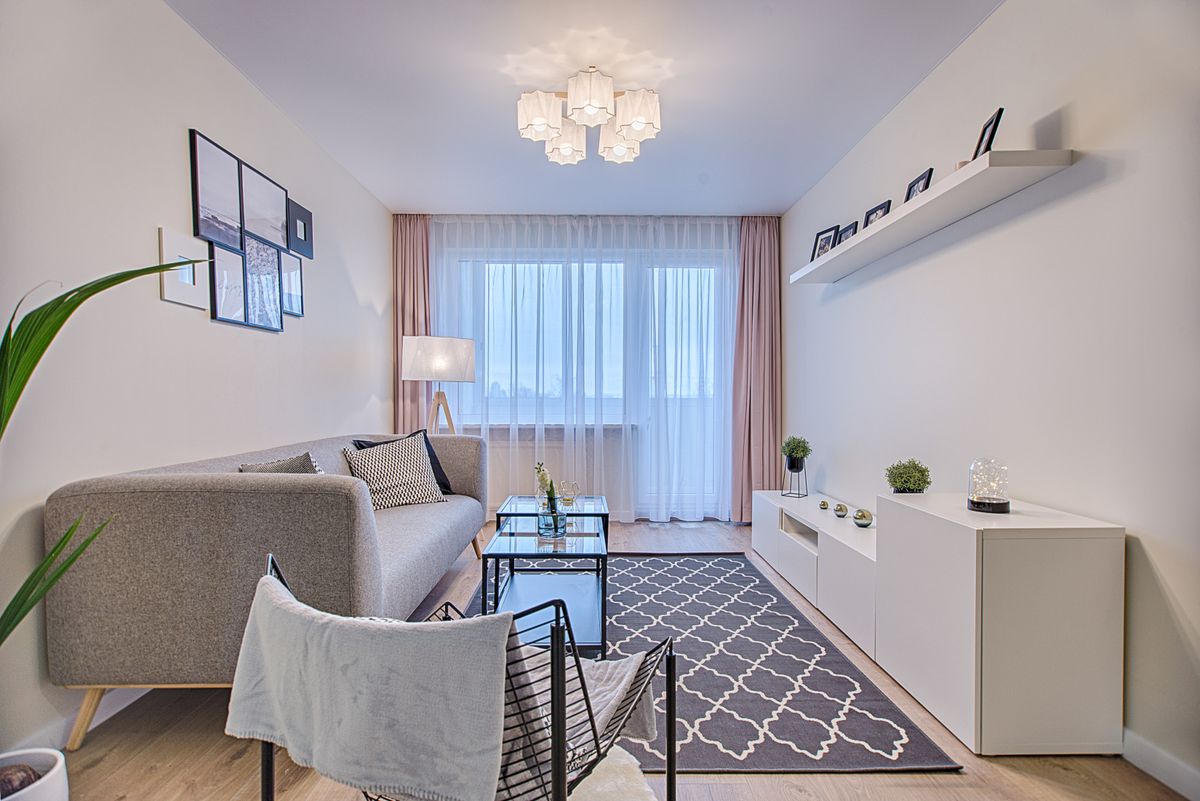
I want to tell you about a living room that taught me something I now repeat to almost every client: sometimes a room isn’t failing because of the sofa, or the rug, or the lighting. Sometimes it’s failing because of one single missing decision, and once you make it, everything else quietly falls into place. This is the story of a living room I worked on a few years ago, a composite of a situation I’ve genuinely seen play out in similar form many times, and the one piece of art that changed it entirely.
The Room That Wasn’t Working
The space itself was, on paper, perfectly nice. A good grey sofa, decent natural light from a single large window, a fireplace that had been beautifully restored. And yet every time I walked in, something felt unfinished, not in an obviously bare way, but in a way that was harder to name. The owner described it as a room that felt like “a furniture showroom that someone had moved into but not yet lived in.”
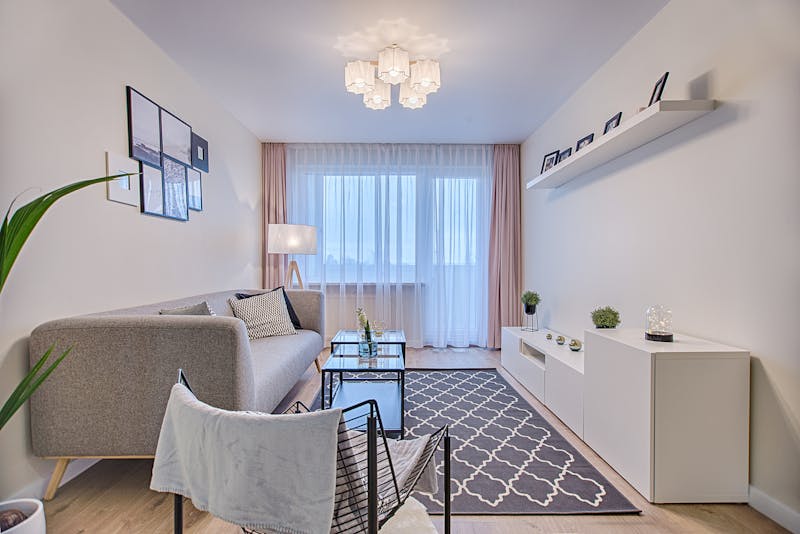
What I Actually Changed
I’ll be honest: my first instinct was to suggest a full gallery wall, the kind of layered, collected look that fills a room with personality through quantity. But the budget was tight, and there genuinely wasn’t time for the careful planning a good gallery wall deserves. So instead, we did something simpler. We found one large abstract canvas, generously scaled, in warm terracotta and cream tones that picked up the warmth already present in the room’s wood flooring, and hung it confidently above the sofa at the correct proportional width.
That was it. One piece. No other changes to furniture, no new cushions, no rearranged layout.
Why It Worked
The room had good bones and good furniture, but nothing in it was actually saying anything. Every element was quietly, competently neutral, and the cumulative effect was a room with no clear emotional centre, nowhere for the eye, or the mind, to land. The new piece gave the room exactly that: a confident, generously scaled visual anchor that the rest of the space could now organise itself around.
What surprised the homeowner most wasn’t how the wall looked, it was how different the whole room felt once they sat on the sofa facing it each evening. The grey, the wood tones, the cushions, none of them had changed, but they all suddenly read as part of a considered whole rather than a collection of individually fine decisions.
What I’d Tell Anyone in a Similar Position
If your living room feels competent but not quite alive, resist the urge to assume you need new furniture before you’ve genuinely tested what one confident, correctly scaled piece of art can do. As covered in our dedicated guide to single statement pieces, this approach consistently outperforms scattered, smaller purchases, and it’s also, refreshingly, often the cheapest possible fix.

Large Terracotta Abstract Canvas — Warm Statement Piece
Substantial abstract canvas in warm terracotta and cream, the exact category of piece that transformed this room.
$92 View on Amazon
Picture Hanging Template Kit — Get the Scale Right First Time
Wall-marking template kit for testing scale and position before committing to a statement piece.
$18 View on Amazon
Museum Quality Frame — Statement Canvas Appropriate
Quality frame suited to presenting a single confident statement piece with genuine impact.
$95 View on Amazon
Original Warm Abstract Painting — Independent Artist
Original abstract painting in warm earth tones, genuinely capable of anchoring a living room on its own.
Shop on Etsy
Saatchi Art Statement Original — Curated Selection
Curated original statement-scale artwork via Saatchi Art’s represented artist network.
Shop on Etsy✕ What to Avoid
- Assuming a flat-feeling room needs entirely new furniture before testing whether one confident art piece solves it
- Undersizing the statement piece; the transformation depends on genuine, generous scale relative to the wall
- Choosing a colour with no relationship to the room’s existing warm or cool tones
- Overcomplicating the fix with a full gallery wall when budget or time genuinely favour a simpler, single-piece solution
- Rushing the placement; correct proportional width and height above the sofa made a measurable difference here