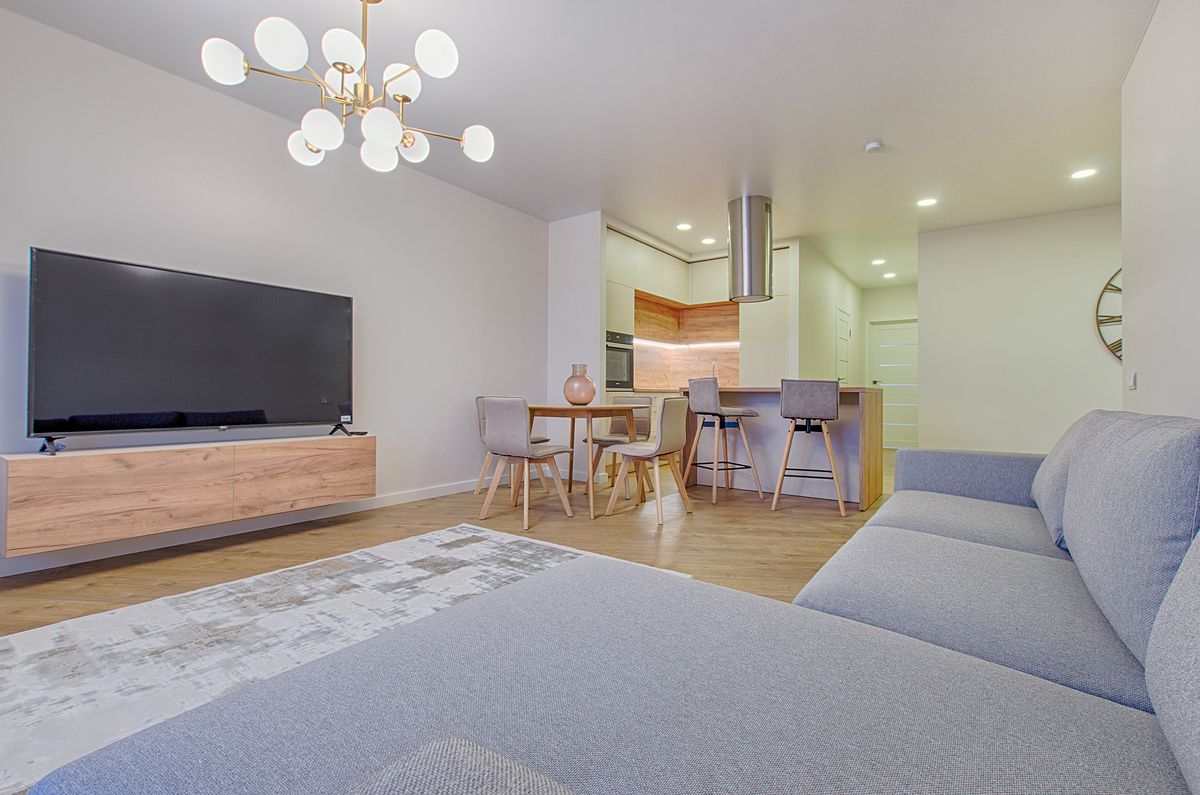
A studio apartment is the most demanding design challenge in residential living. One room must serve as bedroom, living room, dining room, and workspace simultaneously — and the art within it has to work as hard as the furniture, serving multiple purposes across multiple zones without making the space feel cluttered or contradictory.
This guide focuses specifically on the strategic use of wall art in studio spaces — where to place it, what types work, and how to use art to create the psychological separation between zones that physical walls can’t provide.
Art as Zone Architect
In an open plan space, we interpret zone boundaries through visual cues — and art is among the most powerful of those cues. A large canvas above a low sofa tells our brains “this is a living space.” A smaller, more intimate piece above the bedhead signals “sleeping area.” A graphic print in a utilitarian frame next to a desk signals “workspace.”
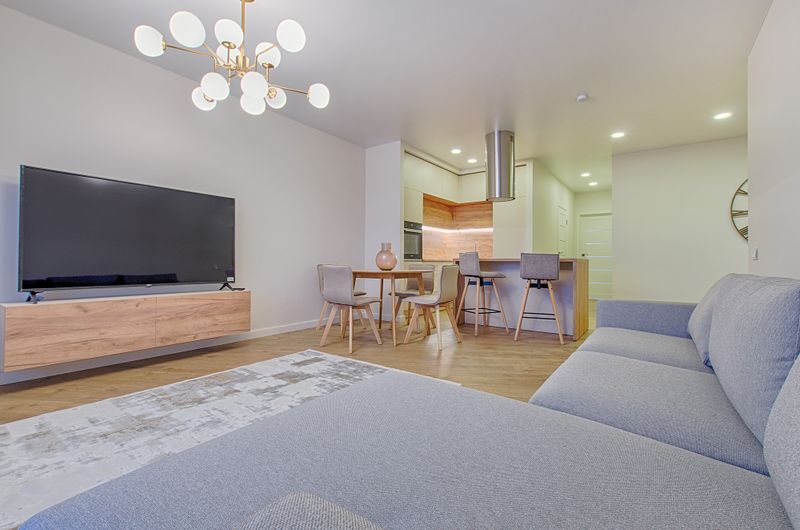
Using art deliberately to signal zone identity allows a studio apartment to feel like it contains multiple distinct spaces even when it physically doesn’t. This is not a trick — it’s genuine spatial architecture using visual rather than physical materials.
Zone-by-Zone Art Strategy
The Living Zone
This zone usually has the most prominent wall position and the most social character. Art here can be bolder, more expressive, and arranged as a considered display. A single large canvas or a small, well-curated gallery above the sofa anchors the zone and signals that this is a place for being, not sleeping or working.
The Sleeping Zone
Even without walls, the sleeping zone benefits from quieter, more intimate art choices. A single piece above or beside the bed should have a calming quality — abstract art in muted tones, soft botanical illustration, or personal photography. Avoid very bold or graphic art above the bed; it interferes with the psychological permission to rest.
The Workspace
Workspace art should energise and focus. Architectural photography, graphic prints with clean lines, or an inspiring personal image work well. This zone’s art should feel purposeful rather than decorative.
Space-Making Art for Studios
Beyond zoning, studio apartments particularly benefit from the space-making art strategies covered in our small living room guide. Large landscape photography with strong perspective, light-toned art on white walls, and vertical format prints to raise apparent ceiling height all apply here with extra force.

Large Abstract Canvas — Living Zone Statement
Bold living-zone anchor canvas in warm abstract tones — makes the sofa area feel defined and considered.
$88 View on Amazon
Minimalist Print for Bedside — Calm Tone
Quiet minimalist line art in muted tones — ideal for the bedroom zone of a studio apartment.
$28 View on Amazon
Architectural Photography Print — Workspace
Clean architectural photography in black-and-white — energising and focused, appropriate for workspace walls.
$42 View on Amazon
Adhesive Frame Set — Mixed Styles Across Zones
Three matching frame sizes in the same profile — allows consistent hanging while varying positions per zone.
$55 View on Amazon
Customisable Zone Print Set — Living/Sleep/Work
Three-print set designed specifically for studio zone creation — different aesthetics, complementary palette.
View on Etsy
Large Landscape Photography — Space Expanding
Wide landscape photograph with strong perspective — the most effective single piece for making a studio feel larger.
View on Etsy✕ What to Avoid
- Treating the studio as one single room with no art differentiation between zones
- Hanging lots of small pieces everywhere — the visual busyness makes a small space feel smaller
- Bold, energising art above the bed — it works against the psychological rest signals the space needs
- Identical frames throughout — it prevents zone distinction and makes the whole space feel flat
- Forgetting vertical space — studios often have decent ceiling heights that taller art can exploit