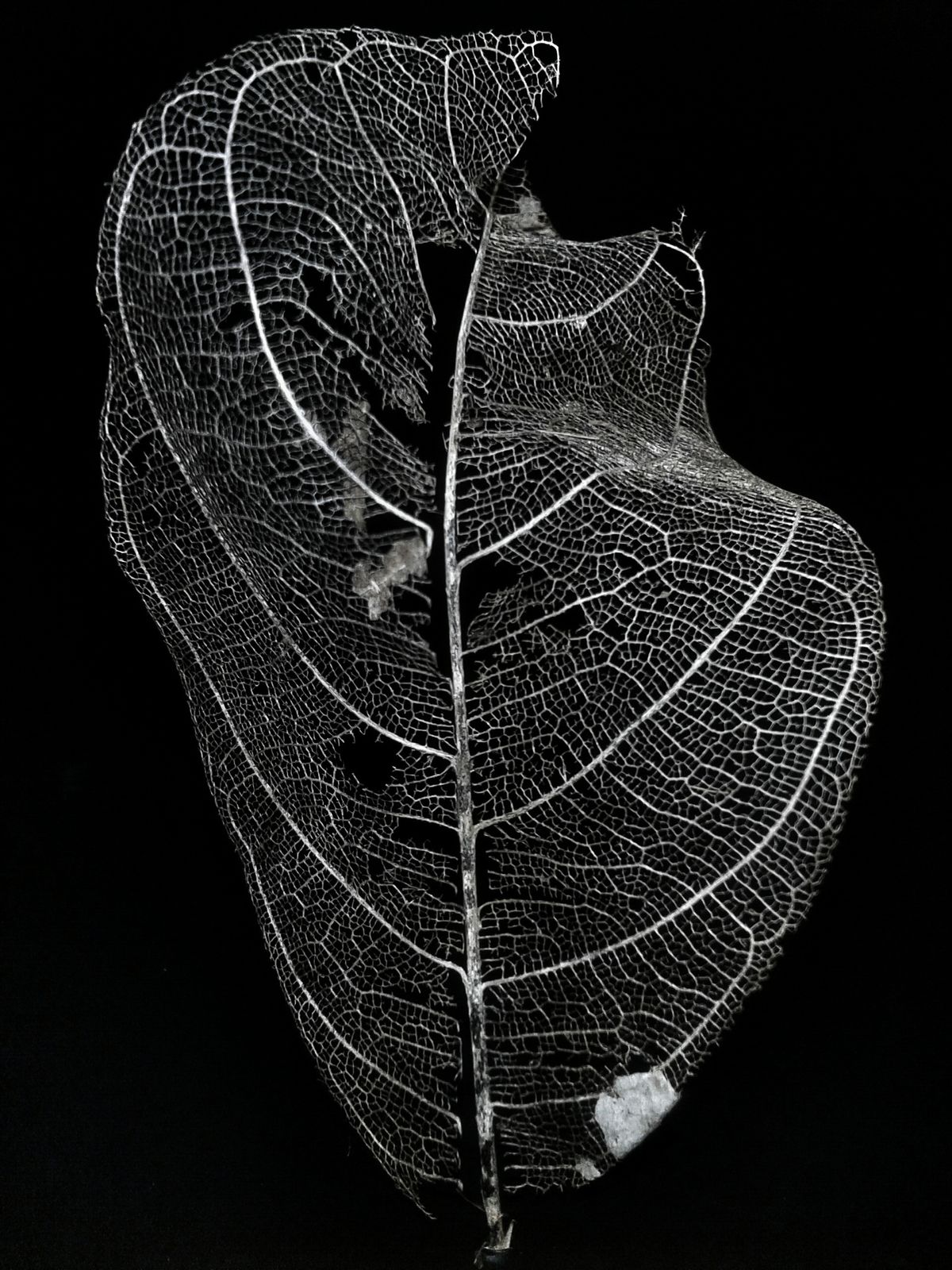
Turkish Leaf Art Beyond Religious Verses: Portraits, Landmarks & National Symbols
Leaf carving is frequently introduced through its religious calligraphy examples, since verses and Names of Allah are common subjects for the craft. But the medium itself is neutral — a technique, not a subject — and it’s applied just as often to entirely secular subject matter: portraiture, national symbols, and Istanbul’s most recognizable landmarks. Understanding this fuller range matters for anyone deciding how to display or categorize a leaf-carved piece.
The Secular Side of the Craft
Landmark imagery — the Hagia Sophia, the Bosphorus skyline, Galata Tower — is a genuinely common subject for leaf-carved work, appealing to a buyer interested in Istanbul or Turkish heritage specifically rather than religious content. National historical figures also appear as subjects within the tradition, reflecting the medium’s use as a general decorative craft within Turkish visual culture rather than one confined to religious display.
This secular range is worth knowing about specifically because leaf carving is so often introduced alongside calligraphy and treated as though it belongs exclusively to Islamic art categories — an accurate description of the craft has to acknowledge that the technique itself carries no inherent religious content, and its application spans both religious and national or personal subject matter.

Portraiture in a Fragile Medium
Portrait-style leaf carving — rendering a recognizable face or figure into the delicate vein structure of a skeletonized leaf — represents perhaps the most technically demanding application of the craft, since achieving recognizable likeness within such a fragile, irregularly shaped, and vein-constrained surface requires exceptional skill. This makes commissioned portrait leaf art a genuinely personal, labor-intensive category, generally commanding higher prices than religious text pieces of comparable size given the added difficulty.
For a buyer considering a commissioned portrait piece — whether of a historical figure, a national symbol, or, in principle, a personal photograph — it’s worth discussing directly with the artisan how faithfully the chosen leaf’s specific vein pattern can support the level of detail the subject requires, since this varies considerably from leaf to leaf.
Looking to build out a broader Istanbul or Turkish-heritage themed wall? Amazon’s canvas art collection includes a range of cityscape and landmark options to pair alongside a leaf-carved centerpiece.
Browse Canvas Art on AmazonDisplaying Secular Leaf Art Thoughtfully
Because leaf-carved landmark or national-symbol pieces sit outside religious content entirely, they suit a wider range of rooms and household contexts than devotional calligraphy might — a study, an office, a hallway celebrating Turkish heritage or travel memories, without any of the placement considerations that apply to religious text discussed elsewhere on this site.
That said, the same physical fragility and preservation requirements apply regardless of subject matter — a leaf-carved landmark piece needs the same careful sealing, framing, and protection from humidity as a leaf-carved religious verse, since the vulnerability lies in the material itself, not what’s carved into it.
Ottoman Palette Reference
What to Avoid
- Assuming every leaf-carved piece is religious without checking its actual subject
- Commissioning a detailed portrait without first discussing whether the specific leaf’s vein pattern can support the required detail
- Treating secular leaf art with less care in preservation and framing than religious pieces
- Overlooking landmark and national-symbol leaf art as a distinct, worthwhile category on its own
Pieces Worth Considering


Frequently Asked Questions
No — landmark imagery, national symbols, and portraiture are all well-established secular subjects within the same craft technique.
Generally yes, given the significant additional skill required to achieve recognizable likeness within a fragile, irregularly veined leaf surface.
Yes — the fragility lies in the leaf material itself, so the same sealing, framing, and humidity precautions apply regardless of subject matter.
In principle yes, though it’s worth discussing directly with the artisan whether the chosen leaf’s vein structure can support the specific level of detail your image requires.
The Bottom Line
Leaf carving’s real range extends well beyond its religious calligraphy examples into landmarks, national symbols, and portraiture — a reminder that the craft itself is a neutral technique, not a religious art form by definition. Recognizing this fuller picture helps ensure the tradition is represented and discussed accurately, regardless of which subject a specific piece happens to depict.