Functional Wall Art Is Replacing Pure Decor — The Data Behind the Shift
2026 wall decor trend coverage identifies a specific, named shift: “functional walls,” where floating shelves, wall organizers, and hidden storage are increasingly expected to double as genuine decor rather than existing as purely utilitarian additions hidden behind or beneath more traditional art. That framing has real implications for how buyers should evaluate wall storage products going forward, not just how they look in a single photo.
What Trend Coverage Actually Documents Here
Design outlets tracking 2026 wall trends explicitly frame this as combining “style with practicality,” citing floating shelves, wall organizers, and hidden storage as elements that can now double as genuine decor rather than purely functional additions — a real reframing of how these categories are positioned relative to traditional wall art, not simply a restatement that shelves exist.
This shift sits alongside a broader documented move toward “intentional and meaningful” wall design generally — the same trend coverage explicitly connects functional walls to sustainability considerations and personalized storytelling, suggesting the underlying driver is a broader rejection of purely decorative-for-decoration’s-sake wall treatments.
Why Functional and Decorative Are Merging Now
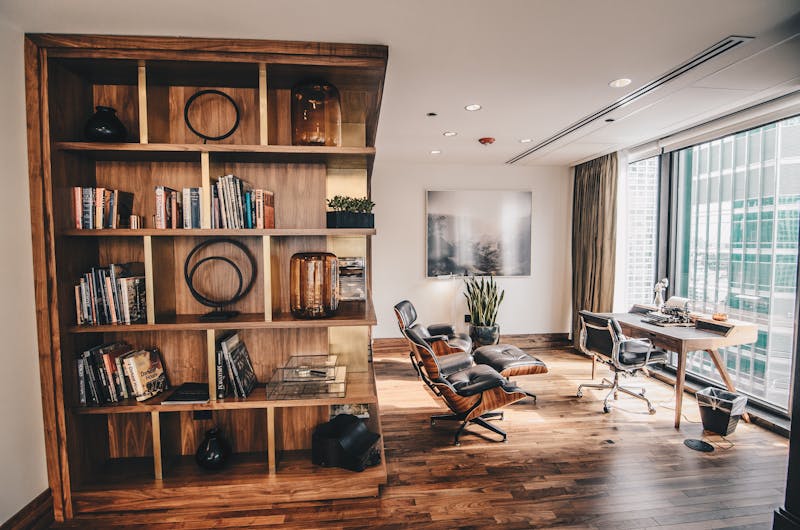
Practical space constraints likely play a real role here alongside pure aesthetic preference — smaller urban living spaces genuinely benefit from wall elements that do double duty, and a design trend that happens to align with a practical need tends to have more staying power than one driven by aesthetic preference alone.
This also connects to the broader shift toward personal gallery walls covered separately in this trend series: if a gallery wall’s value increasingly comes from personal storytelling and functional integration rather than pure visual matching, a floating shelf displaying meaningful objects fits that philosophy just as naturally as a framed print does.
Choosing Wall Storage That Actually Reads as Decor
Distinctive shelf silhouettes (fire-escape ladder styles, scalloped edges, industrial pipe framing) do more visual work than a plain rectangular shelf when the goal is genuine decorative presence, since an unusual shape reads as a deliberate design choice rather than a purely utilitarian afterthought.
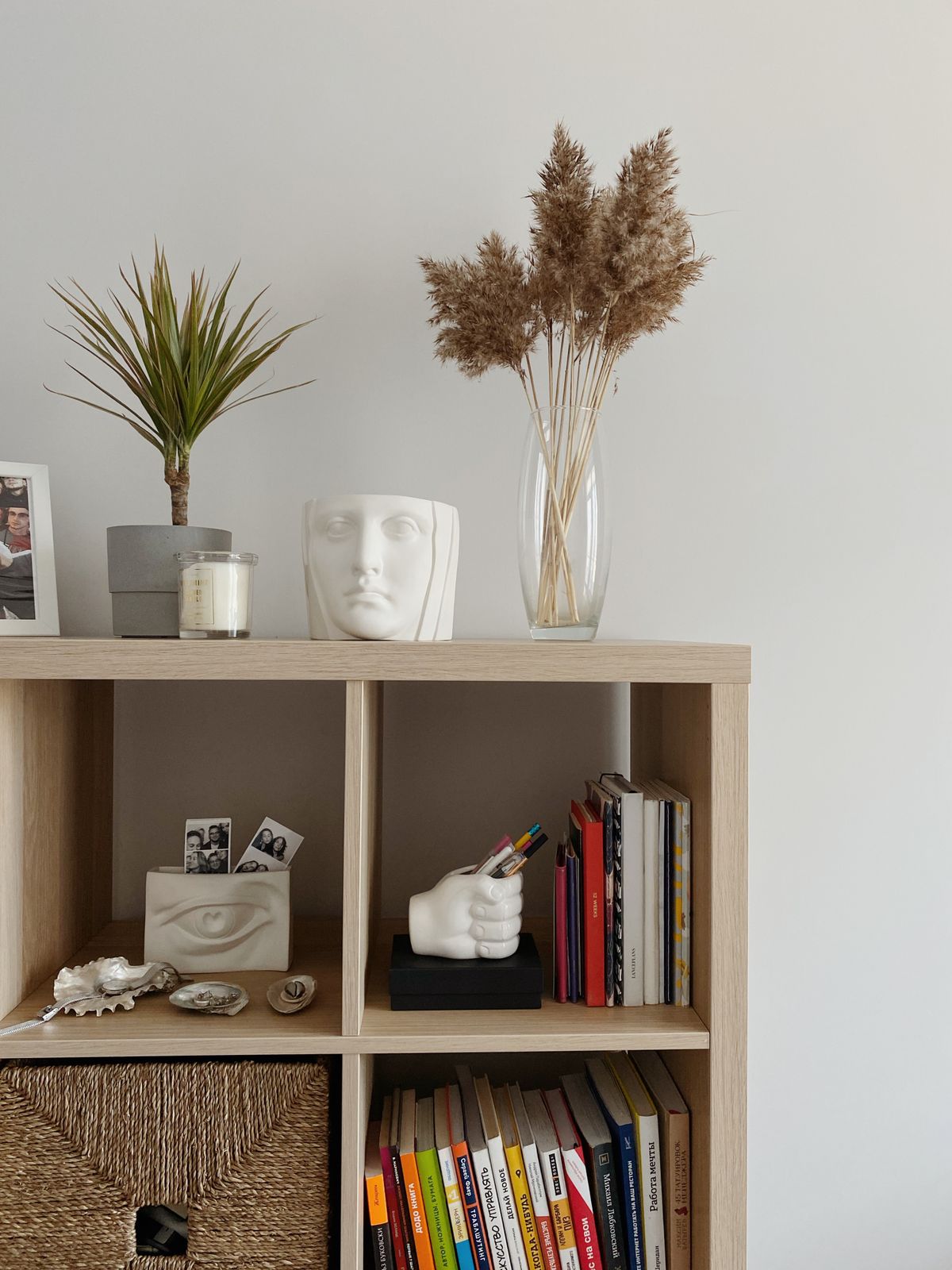
What sits on a functional shelf matters as much as the shelf itself for achieving genuine decorative impact — curating a small, intentional grouping of objects (rather than simply storing whatever needs a home) is what actually delivers on this trend’s underlying “intentional and meaningful” framing.
Where This Overlaps With Existing Categories
Alternative wall shelving styles, already covered in depth on this site, sit directly within this trend’s core material vocabulary — distinctive silhouette shelving is explicitly a better fit for this functional-decor merger than standard rectangular floating shelves.
Wall-mounted jewelry organizers and key racks represent an even more literal expression of this trend, since both are genuinely functional objects that, chosen well, can read as intentional wall decor rather than purely hidden utility.
The Sustainability Angle Behind This Trend, Explained
Trend coverage explicitly connects functional wall design to sustainability considerations, and the underlying logic is fairly direct: a shelf or organizer that serves a genuine daily function is less likely to be discarded during a future redecorating cycle than a purely decorative piece chosen for a specific, temporary aesthetic moment.
This creates a genuinely different purchasing calculus than buying wall art purely for its current visual trend alignment — a well-made, functional piece (a quality floating shelf, a genuinely useful key rack) tends to remain in use regardless of shifting decorative trends, since its value isn’t solely tied to matching whatever aesthetic happens to be current at the time of purchase.
This durability argument is worth weighing specifically against the faster-moving, more purely aesthetic trends covered elsewhere in this series (Extra Celestial, FunHaus) — functional wall pieces arguably offer a genuinely lower-risk way to participate in current design trends, since their underlying utility holds value even if the specific decorative trend around them shifts within a year or two.
Practical Examples of This Trend Done Well
A floating shelf styled with a small, curated grouping of meaningful objects (a few books, a single plant, one or two personal items) generally reads as more intentional decor than the same shelf loaded with miscellaneous storage items chosen purely for convenience, even though both technically serve the same functional purpose.
A wall-mounted key rack or jewelry organizer chosen specifically for its visual design, rather than the cheapest available option, demonstrates this trend’s core principle directly — the piece still performs its full practical function while also contributing genuine visual character to the wall it occupies.
Combining a functional piece with adjacent decorative art (a floating shelf positioned beside, rather than replacing, a framed print) often achieves the fullest expression of this trend, blending genuine utility and traditional decor within the same wall area rather than choosing one approach exclusively.
Connecting This Trend to the Broader 2026 Design Mood
This trend’s connection to sustainability and personal storytelling places it within the same broader 2026 pattern already discussed elsewhere in this series — a genuine, documented shift away from decor chosen purely for visual coordination, toward wall design that serves real, lasting purpose in someone’s actual daily life.
For buyers overwhelmed by the sheer number of named 2026 trends, functional wall art arguably represents one of the lowest-risk ways to participate meaningfully, since its value doesn’t depend entirely on the specific decorative trend remaining fashionable — the underlying utility holds regardless of which aesthetic label eventually supersedes it.
Functional Wall Piece Quick Guide
| Piece Type | Decorative Potential |
|---|---|
| Distinctive-silhouette shelving | High — unusual shape reads as deliberate design |
| Wall-mounted jewelry organizers | High — genuinely functional and visually intentional when chosen well |
| Standard rectangular floating shelves | Lower — needs curated styling to avoid reading as purely utilitarian |
Frequently Asked Questions
Space efficiency is likely part of the appeal, but trend coverage explicitly ties the shift to sustainability and personalized storytelling too, suggesting a broader philosophical driver beyond pure practicality.
They can, but distinctive silhouettes (ladder-style, scalloped, industrial pipe) do more decorative work on their own, since an unusual shape reads as a deliberate choice rather than a purely functional afterthought.
Yes — curated, intentional object groupings deliver on this trend’s “meaningful” framing far more than simply storing whatever needs a home on an available surface.
Both trends share an underlying shift away from purely visual/matched decor decisions toward intentional, personally meaningful wall design — a functional shelf displaying meaningful objects fits that same philosophy.
It varies by specific piece, but well-made functional items (quality shelving, organizers) often represent better long-term value given their dual utility and generally longer useful lifespan regardless of shifting decor trends.
Yes — replacing or supplementing a flat print with a functional shelf or organizer in the same wall area is a straightforward way to shift toward this trend without a full room redesign.
The Bottom Line
Functional wall art’s real momentum comes from a documented shift toward intentional, meaningful wall design broadly — not just space-saving practicality. Distinctive shelf styles and genuinely functional pieces like jewelry organizers and key racks deliver on this trend more convincingly than standard, purely utilitarian shelving. Given its ties to genuine sustainability and lasting utility rather than a purely aesthetic moment, this is arguably one of the safer, more durable trend directions to invest in this year, regardless of how quickly more purely decorative 2026 trends eventually shift.