Do You Need UV-Protective Glass? When It Matters and When It’s Marketing
UV-protective glass is a genuine, well-documented technology — not a scam. But whether it’s worth paying for depends heavily on the specific piece and its specific location, and framers have a financial incentive to recommend it as a default upsell regardless of whether a given piece actually needs it.
When It Genuinely Matters
UV-filtering glazing blocks up to about 99% of ultraviolet light, the highest-energy wavelength band responsible for the fastest, most permanent fading in light-sensitive materials. It’s genuinely worth the cost for anything on paper (prints, watercolors, photographs, documents), anything with dye-based rather than pigment-based color, and anything hanging in a spot that receives real daily light exposure — a wall opposite a window, a sunroom, or any south- or west-facing room.
The math is straightforward: since light damage is cumulative and permanently irreversible (governed by total lux-hours of exposure, not a single dramatic event), a piece that will spend years in meaningful daily light exposure benefits from UV filtering in a way that compounds over time — the protection matters more the longer the piece will hang in that spot.
When It’s Genuinely Optional
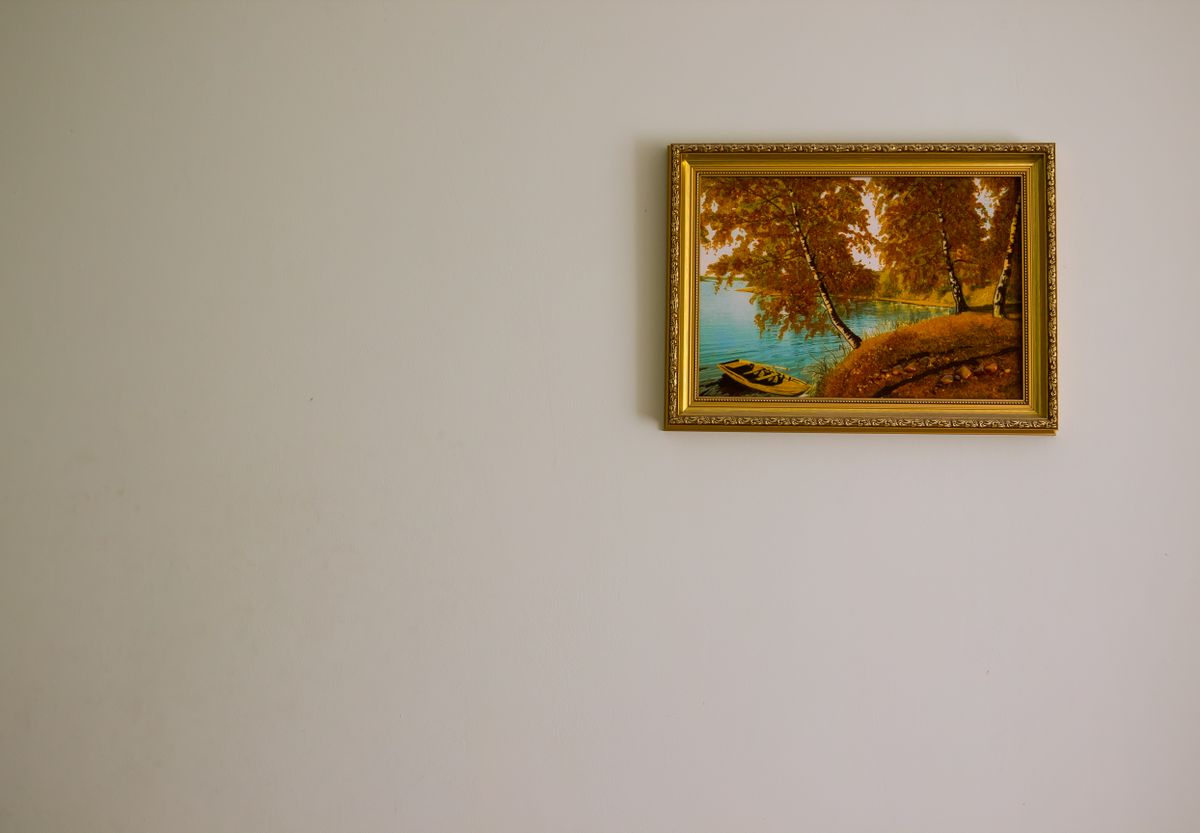
A piece hanging in a hallway, interior room, or any spot with minimal direct or indirect natural light gets comparatively little practical benefit from UV glazing, since there’s little UV exposure to filter out in the first place. Oil paintings and finished wood surfaces are also inherently more light-stable than paper or dye-based media, and museum guidelines reflect this directly — they’re rated for meaningfully higher light exposure limits (150-200 lux) than paper, textiles, or photographs (50 lux).
Metal prints and premium acrylic prints, given their independently tested multi-decade fade resistance even without added UV glazing, get comparatively less incremental benefit from UV-filtering glass specifically, since the print material itself is already engineered for fade resistance.
How to Actually Decide, Rather Than Defaulting Either Way
Two honest questions settle most cases: what is the piece actually made of (paper and dye-based prints benefit most; oil paintings, metal, and premium acrylic benefit least), and where will it actually hang (real daily light exposure makes UV glazing worth the added cost; an interior wall with minimal light makes it a lower priority)?
A useful reframe: UV glass isn’t really an upgrade to the art itself, it’s an upgrade to how long that specific piece, in that specific spot, will look the way it does today. A cheap print in a dark hallway doesn’t need it; an expensive paper print facing a bright window benefits from it regardless of the print’s own price point.
UV Glass Decision Quick Guide
| Situation | Worth It? |
|---|---|
| Paper/photo/watercolor in a sunlit room | Yes — genuinely high-value upgrade |
| Oil painting or metal print anywhere | Lower priority — material is already light-stable |
| Any print in a dim interior hallway | Lower priority — little UV exposure to filter |
| Dye-based print facing a window | Yes — dye fades fastest and benefits most |
Frequently Asked Questions
No — it blocks roughly 97-99% of UV light, the most damaging wavelength band, but visible light still contributes to gradual fading over long periods, so it reduces rather than fully eliminates the risk.
It depends more on location and material than the print’s price — a cheap paper print facing a bright window benefits from UV glazing just as much as an expensive one in the same spot, since the physics of light damage don’t care what the piece cost.
Generally yes, as an add-on upsell, which is worth being aware of — it’s a genuinely useful technology for the right piece and location, but it isn’t automatically necessary for every single framing job regardless of context.
Yes, particularly for oil paintings, metal prints, or pieces hanging with minimal natural light exposure, where the print material’s own inherent stability already provides most of the practical protection UV glass would otherwise add.
The Bottom Line
UV-protective glass is real technology that genuinely works, not a marketing gimmick — but whether it’s worth paying for depends on the specific material and the specific room, not a blanket rule. Paper-based or dye-printed pieces in real daily light exposure benefit substantially; oil paintings, metal prints, and anything in a dim interior spot get comparatively little practical return on the added cost.