
Anatomy of a Picture Frame: A Glossary
A picture frame looks like a single object, but it’s actually a stack of distinct, purpose-built components, each with its own name and job. Knowing the real terms makes it much easier to have an informed conversation with a framer, or to understand exactly what a listing is (and isn’t) including.
Why the Layered Structure Exists
A frame’s job isn’t just decorative — it’s a small protective enclosure. Moving from the front of a framed piece to the back, each layer either displays the art, protects it from light and physical contact, or holds the whole assembly together. Skipping or substituting a cheap version of any single layer is usually where framing quality actually breaks down.
This is also why two frames that look identical from the front can have very different long-term outcomes — the visible moulding is often the least important factor in how well a piece is actually protected over time.
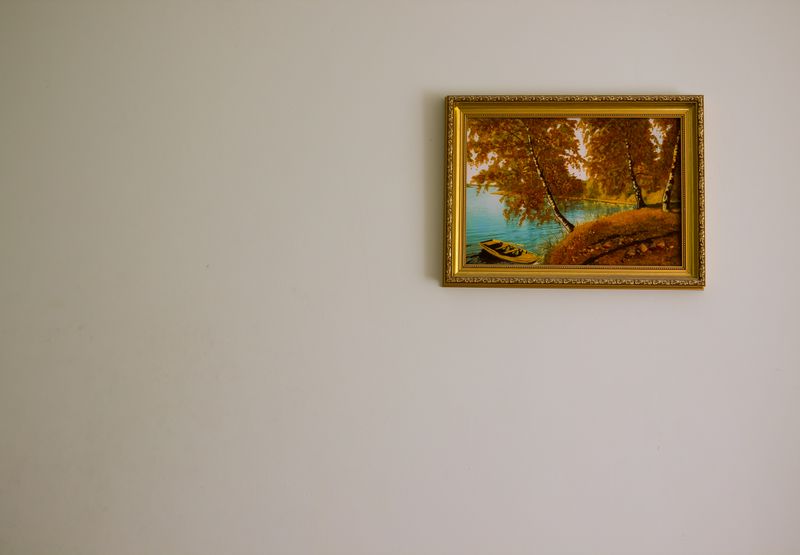
Frame Components, Front to Back
- Moulding
- The visible outer frame itself — the wood, metal, or composite strip that forms the border. Moulding comes in a huge range of profiles (flat, curved, ornate) and is largely a stylistic choice rather than a protective one.
- Rabbet
- A recessed groove cut into the inside back edge of the moulding, forming a shelf that holds the glazing, mat, artwork, and backing board securely in place. Every other internal component sits inside the rabbet.
- Glazing
- The clear covering over the art — glass or acrylic. Glazing ranges from plain, unfiltered glass to UV-filtering conservation or museum-grade glass and acrylic, which is where most of a frame’s long-term light protection actually comes from.
- Mat (or mount)
- The border, usually paper-based, that sits between the glazing and the artwork, both for visual presentation and to create physical separation so the art doesn’t touch the glazing directly. Archival mats are acid-free and lignin-free; non-archival mats can cause staining over time.
- Spacer
- A thin strip used in place of (or alongside) a mat to hold the glazing away from the artwork’s surface, especially important for textured media like pastels or charcoal that would otherwise touch and smear against the glass.
- Backing board
- The rigid board behind the artwork that provides structural support and a barrier against dust, moisture, and physical pressure from the back. Archival backing boards are acid-free for the same reasons as archival mats.
- Hanging hardware
- The D-rings, wire, or sawtooth hangers attached to the back of the frame that actually support it on the wall. Hardware is rated for specific weight capacities, which matters more as frame size and glazing material (especially glass) increase overall weight.
- Bumpers
- Small self-adhesive pads placed on the bottom back corners of a frame to hold it slightly away from the wall, preventing direct contact that can trap moisture or mark the wall surface over time.
Frequently Asked Questions
No — some pieces are floated directly against the glazing without a mat, but this requires a spacer to keep the artwork’s surface from touching the glass, especially for anything with texture.
Acrylic is lighter and shatter-resistant, making it a common choice for large or high-traffic pieces, while glass is generally more scratch-resistant and offers a slightly different visual clarity, though both are available with equivalent UV-filtering options.
The rabbet determines how deep a frame’s internal capacity is — a shallow rabbet can’t accommodate a thick mat, spacer, and backing board stack, which limits framing options for certain pieces.
No — they serve a real function, holding the frame slightly off the wall to reduce moisture buildup and prevent the frame edge from marking or scuffing the wall surface over time.
The Bottom Line
A picture frame is really a small stack of purpose-built layers — moulding, rabbet, glazing, mat, backing board, and hardware — each doing a specific job rather than just contributing to the frame’s overall look. Knowing the terms makes it far easier to evaluate what a framer or a product listing is actually offering.