Personal Gallery Walls Are Killing the Matchy-Matchy Look
Design trend coverage tracking 2026’s biggest shifts identifies a specific, documented change in how people build gallery walls: away from the traditional focus on symmetry and matching frames, and toward what’s being called curated “personal gallery storytelling” — a genuinely different set of rules than the gallery wall guidance that dominated the previous decade.
What’s Actually Changing, According to Trend Coverage
Design outlets tracking 2026 wall decor trends explicitly frame this shift as moving away from arrangements built around symmetry and matched frames, toward personal, story-driven curation — meaning a gallery wall’s success is increasingly judged by whether it reflects something specific and individual about the person living there, not by how evenly its frames align.
This documented shift sits alongside a related, separately tracked trend toward mixing decorative eras deliberately — a vintage poster next to a contemporary sculptural piece, for example — specifically to create intentional visual contrast rather than a cohesive, matched aesthetic throughout.
Why This Represents a Real Shift, Not Just Restated Advice
Salon-style hanging (dense, varied-size arrangements) has existed as a design convention since the 17th century, but the current shift is distinct from simply reviving that historical format — it’s specifically about intentional narrative curation (what the pieces collectively say about the person, not just how they’re spaced) layered on top of whichever physical layout format gets chosen.
This distinguishes the current trend from a purely aesthetic layout choice: a technically well-executed grid or salon-style wall can still fail this trend’s actual standard if the pieces within it were chosen for visual matching alone rather than genuine personal meaning or story.
Building a Genuinely Personal Gallery Wall in Practice
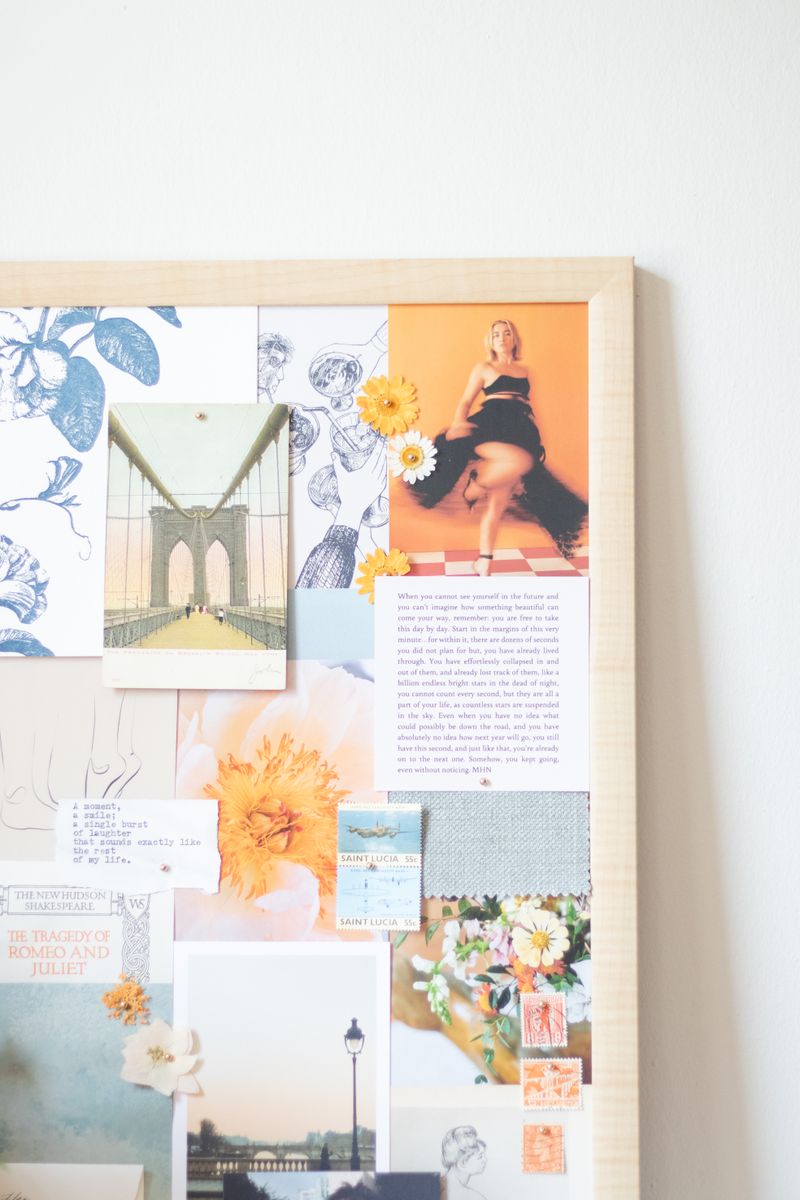
Mixing formats deliberately — a personal photograph next to a purchased art print next to a small original painting — is a more direct expression of this trend than choosing uniform frames and matching mat sizes throughout, since visual variety is part of what signals authentic curation rather than a matched decor set.
Functional wall pieces (a small shelf, a framed collection of found objects) increasingly appear woven directly into gallery wall arrangements rather than existing separately from them, blurring the line between pure decor and functional wall design in a way traditional gallery wall guidance didn’t typically address.
Where This Connects to Existing Gallery Wall Guidance
The core spacing and layout mechanics covered in standard gallery wall guidance (consistent 2-3 inch gaps, the 2/3 furniture-width rule) still apply regardless of this shift — what’s changing is the selection philosophy behind which pieces go into that layout, not the underlying physical hanging mechanics.
Multi-opening frame sets, which fix spacing automatically for photo collections, actually work well within this more personal trend specifically because they simplify the technical execution, freeing up decision-making energy for the more important curation choices the current trend actually prioritizes.
A Practical Starting Method for Building a Genuinely Personal Wall
Rather than starting with frame shopping, a more effective approach for this specific trend is starting with a genuine theme or personal story — a collection built around travel, a particular family history, or a shared color memory — and only then selecting the specific pieces (photographs, purchased prints, small original paintings) that actually serve that underlying narrative.
Once the core pieces are chosen, laying them out on the floor in the intended arrangement remains the most reliable planning method regardless of how personal or curated the selection criteria are — the physical spacing and layout mechanics from standard gallery wall guidance don’t change just because the selection philosophy behind the pieces has.
A useful test for whether a gallery wall genuinely achieves this trend’s intent: ask whether someone who knows you well would recognize the arrangement as specifically yours, versus a version that could belong to any similarly styled home — the former is what current trend coverage is actually describing when it references personal storytelling over pure visual matching.
Common Mistakes When Attempting This Specific Trend
The most common misstep is choosing pieces primarily for how well they visually match each other, then attempting to retroactively justify the selection as “personal” — the trend’s actual underlying logic runs the opposite direction, starting with genuine personal significance and only then working out how the resulting pieces can be arranged cohesively.
A second common mistake is over-explaining the personal story behind a gallery wall to visitors, which can undercut the effect — the strongest versions of this trend let the arrangement communicate personality through the pieces themselves, rather than requiring a verbal explanation to make sense of an otherwise visually confusing wall.
Finally, treating this as a one-time, finished project rather than an evolving collection tends to work against the trend’s actual spirit — genuinely personal gallery walls tend to change and add pieces over time as life continues, rather than being assembled once and left permanently fixed.
Why This Shift Reflects a Broader Pattern Across 2026’s Trends
This move toward personal storytelling over pure visual matching echoes a theme running through several of this year’s other named trends — Afrohemian Decor’s emphasis on authentic cultural sourcing, functional wall art’s emphasis on genuine daily utility, and vintage-modern mixing’s emphasis on intentional personal curation all share the same underlying rejection of decor chosen purely for surface-level visual coordination.
Recognizing this connected pattern is useful for anyone trying to develop a coherent overall approach to 2026 wall decor: rather than treating each trend as an isolated checklist item, the shared thread across most of them is intentionality and personal meaning taking priority over pure aesthetic matching.
Matched vs. Personal Gallery Wall Approach
| Old Convention | Current Trend |
|---|---|
| Uniform frame style throughout | Deliberately mixed frame styles and formats |
| Pieces chosen for visual color/style match | Pieces chosen for personal story and meaning |
| Pure decor, separate from function | Functional pieces woven into the decorative arrangement |
Frequently Asked Questions
Yes — the shift is in curation philosophy (personal storytelling vs. pure matching), not the underlying spacing and layout mechanics, which remain the same regardless of which pieces are chosen.
Not necessarily, but mixing formats — personal photos, purchased prints, small original paintings — is a more direct expression of the current trend than choosing all one format for visual consistency.
Yes — it simplifies the spacing execution, which frees up attention for the more important curation decisions this trend actually emphasizes, rather than conflicting with it.
Yes — deliberately combining pieces from different eras for intentional contrast is documented as a related, separately tracked part of this broader 2026 shift.
There’s no fixed schedule, but treating it as an evolving collection — adding or swapping pieces as life continues — aligns more closely with this trend’s underlying philosophy than assembling it once and considering it permanently finished.
No — the core requirement is genuine personal meaning behind the piece selection; the physical spacing and layout mechanics are straightforward and covered in standard gallery wall guidance regardless of design background.
The Bottom Line
The real shift in 2026 gallery wall trends isn’t in spacing or layout mechanics, which remain unchanged — it’s in curation philosophy, moving from matched visual consistency toward genuinely personal storytelling. The technical rules from standard gallery wall guidance still apply; what’s changing is which pieces you choose to hang within them. The most reliable way to judge success against this specific trend is a simple test: would someone who knows you well recognize the wall as genuinely, specifically yours — not a version that could belong to any similarly styled home.