Afrohemian Decor Is Wall Art’s Fastest-Growing Trend in 2026
“Afrobohemian home decor” searches are up 220% year over year on Pinterest, one of the largest single jumps in the platform’s entire 2026 home trend report. That’s not a marketing claim — it’s Pinterest’s own internal search data, covering the period September 2023 through August 2025, and it points to a genuine, fast-moving shift in how people want their walls to look.
What the Numbers Actually Say
Pinterest’s 2026 trend report, compiled from its own internal search behavior data, names “Afrohemian Decor” as a fusion of African and bohemian design traditions, and the supporting numbers are specific: “afrobohemian home decor” searches up 220%, “adire fabric” up 130%, “Berber motifs” up 210%, plus related increases of 50% for rattan pieces and 60% for beaded curtains. These aren’t vague directional signals — they’re concrete, comparable year-over-year percentages from a platform with 600 million monthly users.
The demographic detail matters too: Pinterest attributes much of this search growth to Boomers and Gen X specifically, which cuts against the common assumption that home decor trends are driven primarily by younger users. That’s worth noting because it suggests staying power beyond a single social-media news cycle — trends driven by an older, typically more design-committed demographic tend to translate into actual purchases rather than just saved Pinterest boards.
What Actually Defines the Style, Beyond the Name
Adire, the specific fabric named in Pinterest’s data, is a traditional Nigerian resist-dyed indigo textile, historically produced by Yoruba women using techniques passed down for generations. Its rising search volume reflects a real, specific cultural reference point, not a generic “tribal print” aesthetic — which is an important distinction for anyone trying to shop this trend authentically rather than reaching for the nearest vaguely ethnic-patterned import.
Berber textiles, the other major textile reference in the data, come from North African Amazigh (Berber) weaving traditions, particularly associated with Moroccan rugs and wall hangings featuring geometric, often asymmetrical patterns in natural wool tones. Both traditions predate the “Afrohemian” label by centuries; the trend name describes a Western decor-market fusion of these authentic traditions with existing bohemian styling conventions (natural fiber, warm neutral palettes, layered texture) that were already popular going into 2026.
Translating the Trend Into Actual Wall Art
For wall art specifically, this trend favors genuine woven and textile pieces over printed reproductions of African patterns — a real hand-woven basket wall arrangement or an authentic adire-dyed textile hanging carries the texture and cultural specificity the trend is actually about, in a way a flat canvas print of a similar pattern doesn’t.
Pinterest’s own color guidance for this trend leans toward earthy reds, deep browns, ochre, black, and muted greens rather than the brighter, more saturated palette often associated with generic “boho” decor — worth keeping in mind if you already own boho-styled pieces and want to shift toward Afrohemian specifically rather than assuming the two labels are interchangeable.
Where This Overlaps With Already-Established Categories
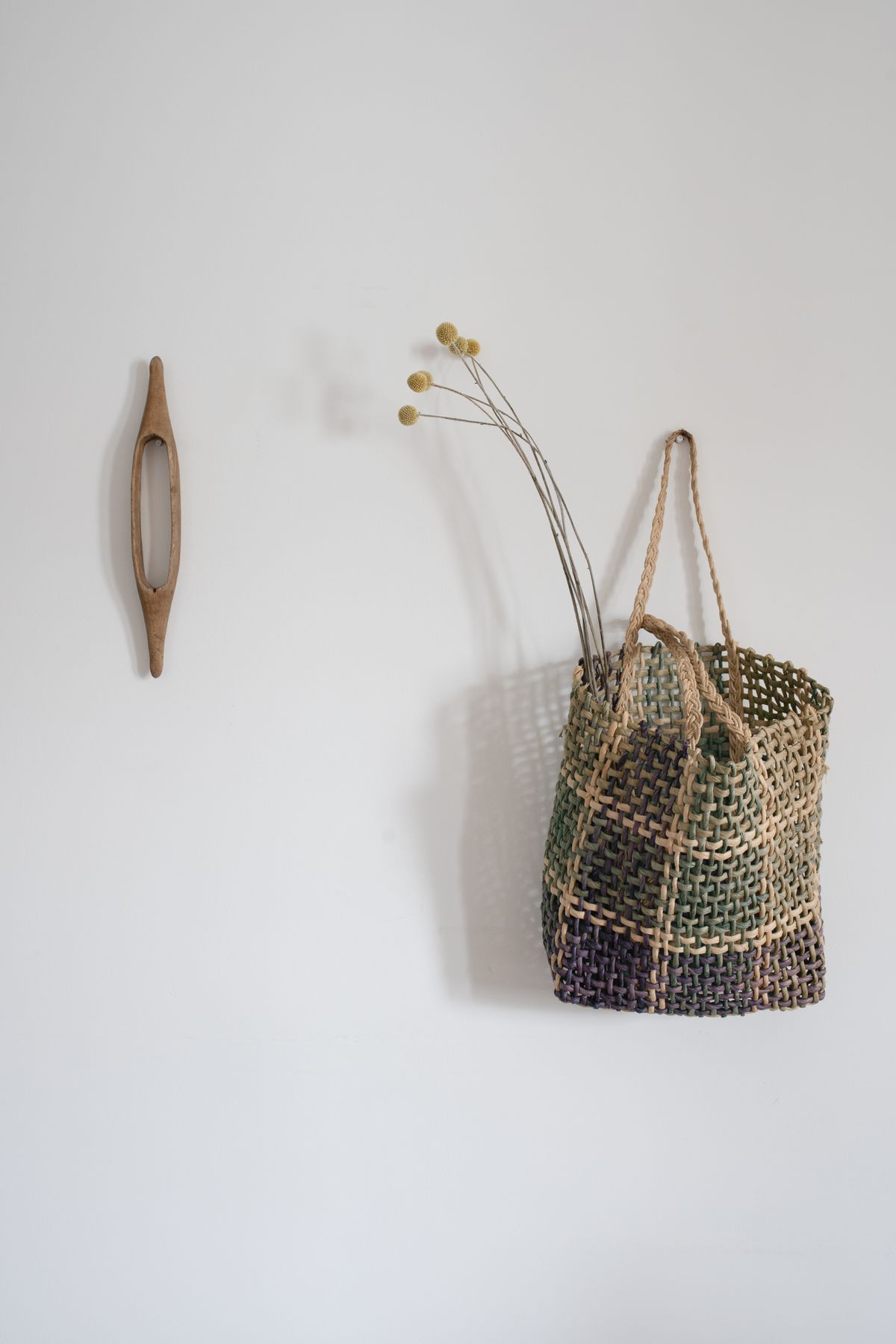
Genuine woven wall baskets — the kind already covered in depth on this site — sit squarely within this trend’s actual material vocabulary, since handwoven natural fiber baskets are explicitly named in Pinterest’s own trend description alongside the textile references.
Rustic and boho wall decor more broadly provides a useful existing foundation to build from, since the Afrohemian trend is explicitly a layering of authentic African textile and craft traditions onto an existing bohemian base rather than a wholesale replacement of it.
Sourcing Authentically, Not Just Aesthetically
Because this trend is rooted in specific, named cultural traditions rather than a generic decorative motif, sourcing matters more here than in most other trend categories — a mass-produced import printed with a generic “tribal” pattern is a meaningfully different purchase than a genuine adire textile or an authentically handwoven Berber-style piece, even if the two look superficially similar in a listing photo.
Independent-artisan marketplaces, where individual weavers and textile makers sell directly rather than through a mass-manufacturing supply chain, are generally a more reliable place to find pieces that genuinely reflect the traditions this trend references, rather than a generic mass-market interpretation manufactured without any real connection to the originating craft communities.
This distinction also carries a practical upside beyond authenticity: genuinely handwoven and hand-dyed textiles typically show more visible texture, natural color variation, and individual character than a printed reproduction, which is exactly the quality that makes a piece read as a genuine collected object rather than a themed decoration pulled off a shelf.
Building Toward This Trend Without Overcommitting
Because Afrohemian decor is described by Pinterest as a layering trend rather than a full replacement style, a practical entry point is adding one or two genuine textile or woven pieces to an existing room rather than redecorating an entire space around the aesthetic at once — a single hand-dyed textile hanging or one authentic woven basket cluster can meaningfully shift a room’s feel without requiring a full furniture and decor overhaul.
Pairing new Afrohemian pieces with existing neutral or wood-toned furniture tends to work more naturally than trying to match every element in a room to the trend simultaneously, since the earthy reds, browns, ochre, and muted greens named in Pinterest’s color guidance already read as warm and grounding against most existing neutral furniture bases.
For buyers specifically interested in the craft and cultural weight behind this trend, seeking out sellers who explicitly identify the specific origin and technique behind a piece — rather than a generic “African-inspired” product description — is a reliable way to confirm genuine sourcing before purchasing.
What to Watch for as This Trend Develops Further
Given the strength of this year’s search growth, it’s reasonable to expect mainstream retailers to introduce more mass-produced, Afrohemian-adjacent products over the coming months — a useful moment to have already established a preference for genuinely sourced pieces before the market fills with faster, cheaper imitations.
Pinterest’s own trend methodology tracks search behavior over a two-year rolling window, meaning this specific data reflects a genuine multi-year build rather than a sudden single-season spike, which is generally a stronger signal of a trend with real durability than a search term that jumps briefly before disappearing.
Authentic Elements vs. Generic Substitutes
| Authentic Element | What to Look For |
|---|---|
| Adire textile | Genuine Nigerian resist-dyed indigo fabric, not a generic printed imitation |
| Berber-style weaving | Moroccan-tradition geometric wool patterns, distinct from generic “tribal” prints |
| Handwoven natural fiber baskets | Real woven rattan, seagrass, or jute construction, explicitly named in Pinterest’s own trend data |
Frequently Asked Questions
No — it specifically layers authentic African textile and craft traditions (adire fabric, Berber weaving) onto an existing bohemian foundation, per Pinterest’s own trend description, rather than being a synonym for boho generally.
A traditional Nigerian resist-dyed indigo textile historically produced by Yoruba women, using techniques passed down through generations — a specific cultural reference point, not a generic pattern name.
The trend’s own supporting data (adire fabric, Berber motifs, rattan, beaded curtains) points toward genuine textile and woven pieces over flat printed reproductions of similar patterns.
Pinterest attributes much of the search growth specifically to Boomers and Gen X, which is a notable departure from the common assumption that home decor trends are primarily driven by younger users.
This trend is explicitly framed by Pinterest as a fusion style already being widely adopted — the key consideration most design ethics guidance points to is sourcing pieces authentically from the originating craft traditions and communities rather than the buyer’s own background.
Genuinely handmade textiles and woven pieces from independent artisans generally cost more than mass-manufactured imitations, reflecting the labor and skill involved, though prices vary widely by piece and source.
The Bottom Line
Afrohemian decor’s 220% search growth is real, specific, and traceable to Pinterest’s own internal data — and it points toward genuine woven and textile wall pieces rooted in real cultural traditions, not a vague reskin of existing boho style. For anyone already invested in rustic or boho wall decor, this trend offers a specific, well-documented direction to layer in next.