Research in child development and educational psychology suggests that early exposure to visual art, including original or genuinely high-quality work rather than purely mass-produced imagery, may play a meaningful role in supporting children’s creative thinking, visual literacy, and aesthetic development. This guide looks at what the research actually suggests, with appropriately measured language about what remains genuinely established versus more provisional.
What Developmental Research Suggests
Studies on early childhood environments and creative development generally find that children exposed to varied, genuine artistic stimuli, original paintings, varied artistic styles, quality illustration, show measurable advantages in certain visual and creative thinking tasks compared to children in more visually impoverished or uniformly generic environments, though establishing clear causation in this kind of research remains genuinely complex.
Why Original Art May Matter Differently Than Reproductions
Genuine Texture and Material Variation
Original paintings offer genuine textural and material variation, visible brushwork, real paint depth, that flat reproductions don’t replicate, and some research in visual perception suggests this kind of genuine tactile and dimensional variety supports richer sensory and perceptual development in young children.
Exposure to Varied Artistic Styles
Children exposed to a genuine range of artistic approaches, rather than a single uniform decorative style throughout their environment, may develop broader visual vocabulary and more flexible aesthetic appreciation, according to research on visual literacy development.
| Exposure Type | Suggested Developmental Benefit | Practical Application |
|---|---|---|
| Original paintings with visible texture | Richer sensory and perceptual engagement | Even modest original work in family spaces |
| Varied artistic styles | Broader visual vocabulary, flexible aesthetic appreciation | Mix abstract, representational, and varied media |
| Discussing art with children | Supports verbal and conceptual development | Genuine conversation about what they notice or feel |
| Children’s own art displayed alongside adult work | May support creative confidence | Covered in depth in our dedicated guide |
Talking About Art With Children
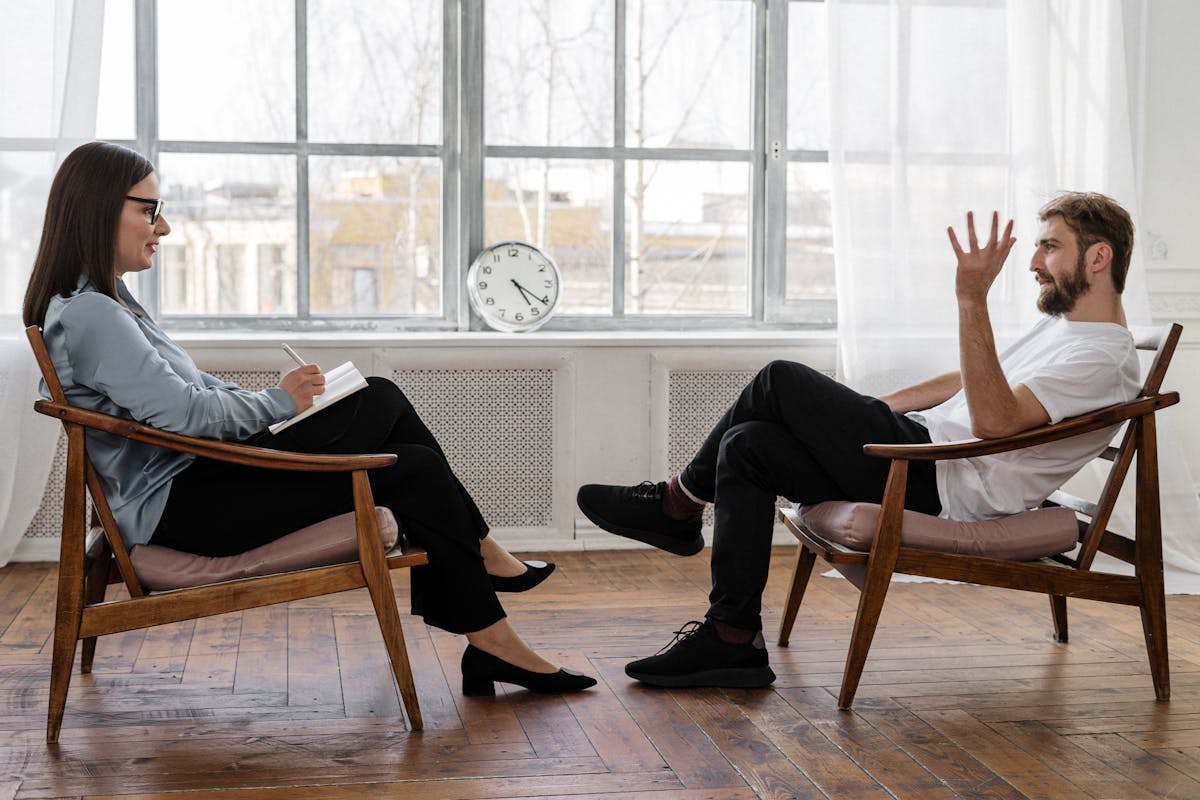
Research in early childhood education suggests that the conversational engagement around art, asking open-ended questions about what a child notices, feels, or imagines when looking at a piece, may matter as much as or more than the specific artwork itself in supporting genuine cognitive and creative development.
A Measured Perspective
It’s worth being honest that this research area, like much of developmental psychology, involves genuinely complex causation, families that prioritise original art exposure often differ in other ways too, education level, broader cultural engagement, that may independently contribute to children’s development. The findings are suggestive and worth taking seriously, not deterministic proof that original art alone transforms outcomes.

Affordable Original Painting — Emerging Artist
Genuinely original painting from an emerging artist at an accessible price point, real texture and material variety.
$85 View on Amazon
Varied Style Print Collection — Visual Vocabulary Building
Curated print collection spanning genuinely varied artistic styles for broader visual exposure.
$58 View on Amazon
Child-Height Hanging Frame Set — Accessible Display
Frame set designed for child-accessible height, supporting genuine engagement and conversation.
$68 View on Amazon
Affordable Original Art — Independent Artist Collection
Genuinely original, affordably priced artwork from independent artists via Etsy, real texture for children’s developmental exposure.
Shop on Etsy
Saatchi Art Emerging Artist Collection — Family Accessible
Curated emerging artist original work via Saatchi Art at family-accessible price points.
Shop on Etsy✕ What to Avoid
- Assuming expensive art is necessary; modestly priced original work offers genuine developmental texture and material benefit
- Overstating research as deterministic proof rather than suggestive findings within a genuinely complex developmental picture
- Limiting children’s visual exposure to a single uniform decorative style throughout the home
- Hanging art purely for adult viewing height with no consideration for genuine child-accessible engagement
- Treating art exposure as a substitute for genuine conversation and engagement, which research suggests matters significantly too