Tezhip: The Ottoman Illumination Tradition for the Home
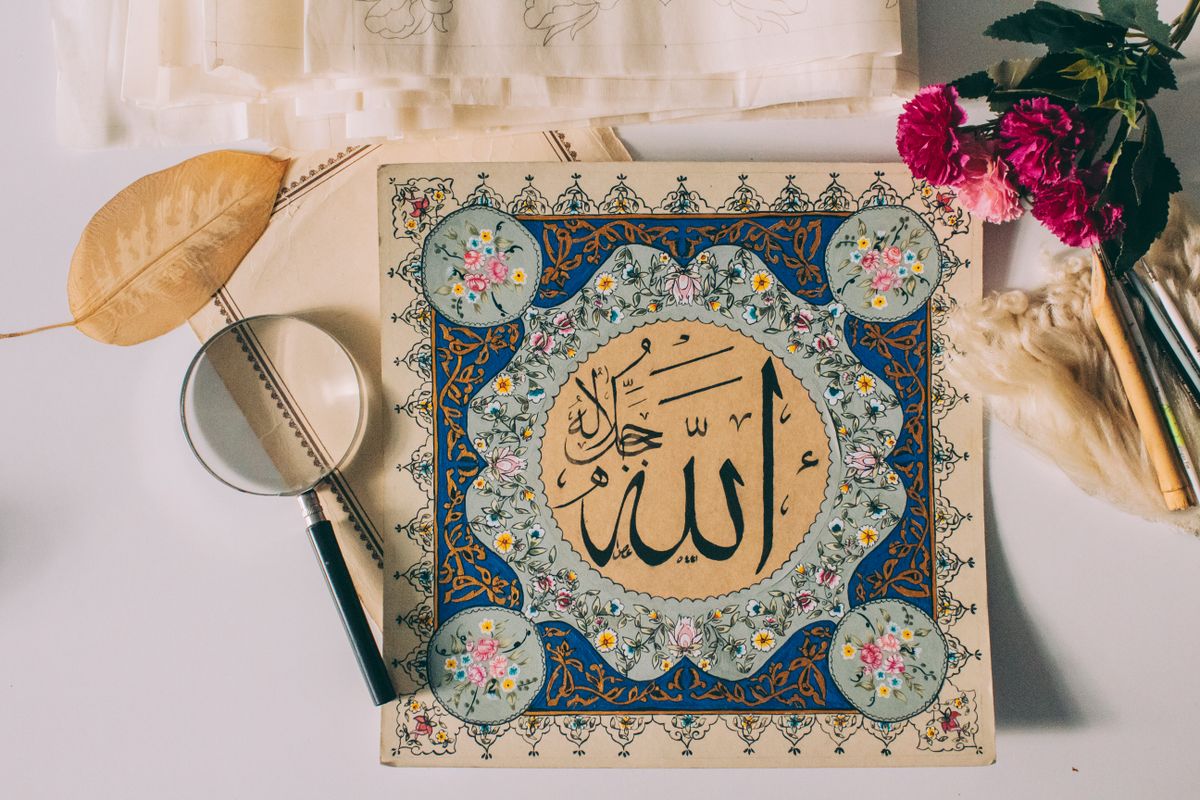
Tezhip is easy to encounter and hard to get a clear explanation of — it’s the Ottoman and broader Islamic tradition of manuscript illumination, the gold and floral ornamentation that traditionally surrounded calligraphic text rather than the lettering itself. It’s a genuinely distinct artistic discipline from calligraphy, historically practiced by a specialist called a müzehhip, and it deserves to be understood on its own terms rather than treated as a decorative afterthought to the text it accompanies.
What Tezhip Actually Is
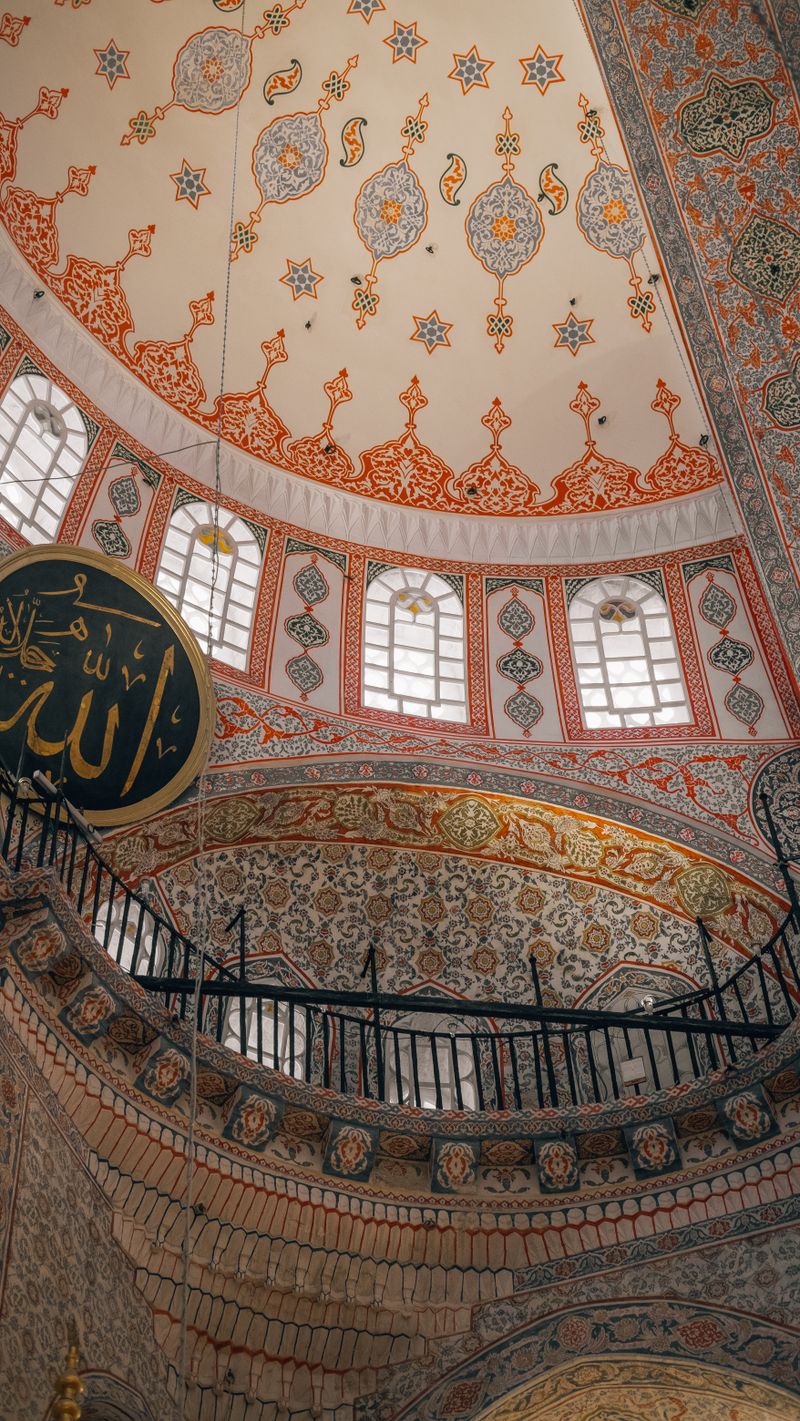
In traditional manuscript production, the calligrapher (hattat) and the illuminator (müzehhip) were distinct specialists with different training, and a finished manuscript page — particularly a Quran, an official Ottoman document, or a significant literary work — would typically involve both crafts working together: the calligrapher’s text framed and accented by the illuminator’s gold and pigment work. The illumination itself draws on a recognizable vocabulary of motifs, including rumi (stylized animal-derived scrollwork), hatai (stylized floral forms based on Central Asian and Persian botanical motifs), and penç (rosette-like floral medallions).
Gold — traditionally applied as genuine gold leaf or ground gold pigment — is central to the craft, giving finished illumination its characteristic shimmer and its historical association with the most prestigious commissions, including imperial documents and important religious texts.
Why Tezhip Is Distinct From Calligraphy Itself
It’s worth being precise about this distinction, since the two crafts are frequently conflated in casual descriptions: calligraphy is the art of the lettering itself — its proportion, rhythm, and legibility — while tezhip is the art of everything surrounding that lettering, from ornamental borders to the illuminated headings (serlevha) that traditionally opened important manuscript sections. A piece can showcase exceptional calligraphy with minimal illumination, or, less commonly, feature illumination as the primary visual focus around a smaller or simpler calligraphic element.
For a home buyer, understanding this distinction changes what to actually look for: a piece marketed primarily for its tezhip should be evaluated on the quality, symmetry, and gold work of its ornamental border and motifs, not treated as a secondary backdrop to the calligraphy it surrounds.
If you want a larger, simpler canvas piece to balance an ornate illuminated centerpiece, Amazon’s canvas art collection is worth checking for scale options.
Browse Canvas Art on AmazonBringing Tezhip Into a Contemporary Home
Because tezhip is inherently ornamental rather than purely textual, it tends to suit rooms and buyers looking for rich pattern and gold detail without necessarily prioritizing legible religious text as the primary content — a genuinely different appeal than calligraphy-first pieces. A well-executed illuminated border or medallion, even framing a relatively simple central phrase, can carry as much visual weight as a dense calligraphic composition.
Given the craft’s historical association with gold leaf and fine pigment work, tezhip pieces reward the same framing care recommended for calligraphy elsewhere on this site — UV-protective glazing is particularly important here, since illumination’s gold and pigment detail is genuinely vulnerable to fading under sustained light exposure.
Ottoman Palette Reference
What to Avoid
- Confusing tezhip (illumination) with hat (calligraphy) when describing or shopping for a piece
- Choosing illumination-focused work without UV-protective glazing, given its vulnerability to fading
- Assuming all gold ornamentation is tezhip specifically, rather than a broader decorative gold-leaf technique
- Overlooking illumination quality when a piece is marketed primarily on its calligraphic content
Key Tezhip Motifs
| Motif | Character |
|---|---|
| Rumi | Stylized, animal-derived scrollwork |
| Hatai | Stylized floral forms, Central Asian/Persian origin |
| Penç | Rosette-like floral medallions |
| Serlevha | Illuminated heading traditionally opening a manuscript section |
Pieces Worth Considering


Frequently Asked Questions
No — tezhip refers specifically to the illumination and ornamentation surrounding calligraphic text, traditionally produced by a separate specialist (müzehhip) distinct from the calligrapher (hattat).
An illuminated heading traditionally used to open an important section of a manuscript, richly decorated to mark its significance.
Gold leaf and fine pigment work used in traditional illumination are particularly vulnerable to fading under sustained light, making UV-protective glazing especially important.
Rumi is stylized, animal-derived scrollwork; hatai is a stylized floral form with roots in Central Asian and Persian decorative traditions. Both are core elements of the tezhip vocabulary.
The Bottom Line
Tezhip deserves recognition as its own artistic discipline rather than a decorative footnote to calligraphy — a tradition of gold and pattern work with its own vocabulary, its own specialists, and its own standards of quality. Understanding that distinction changes both what you look for when buying and how you display and protect the piece once it’s on your wall.