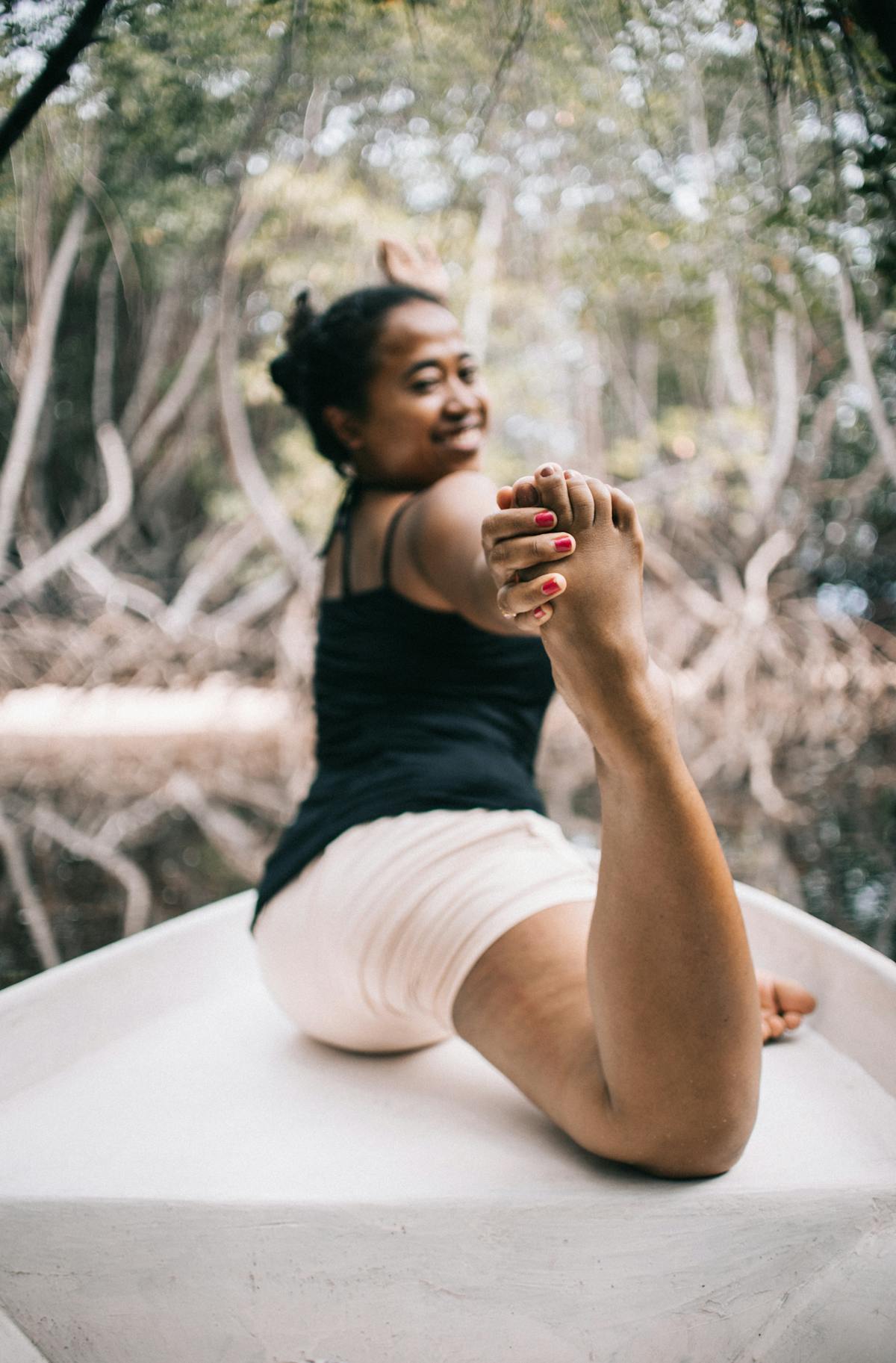
A meditation room or yoga space has a different relationship with art than almost any other room in the home. The goal of the space is reduced mental stimulation, not increased visual interest, which means many of the usual principles of good wall art selection need to be reconsidered or even reversed.
The Principle of Reduced Visual Stimulation
Meditation and yoga practice generally aim to quiet mental activity rather than stimulate it. This means the art in these spaces should support that quieting rather than introducing additional visual or cognitive engagement. Busy, detailed, or narratively complex art works against the room’s purpose, even if it would be beautiful and appropriate elsewhere.
Art Subjects for Meditation and Yoga Spaces
Simple Geometric and Mandala Art
Symmetrical, repeating geometric patterns, including traditional mandala designs, have a long history in contemplative practice precisely because they support a calm, non-narrative kind of visual attention rather than requiring active interpretation.
Single-Colour Gradient Art
Simple gradient pieces, moving gently between related tones, provide visual presence without any representational content to mentally process, making them genuinely well-suited to meditative environments.
Minimal Nature Photography
Very simple, uncluttered nature photography, a single mountain, a calm water surface, an open sky, supports a sense of spaciousness and calm without the complexity of busier landscape or detailed nature imagery.
Sacred Geometry and Symbolic Art
For those with a specific spiritual or contemplative tradition, symbolic art connected to that practice can deepen the space’s purpose, provided it’s chosen thoughtfully rather than as generic decoration.
Colour Considerations
Muted, natural tones generally support contemplative practice better than bright, saturated colours, which can feel energising or stimulating rather than calming. Sage, sand, pale blue, and warm stone tones are consistently used across genuinely well-designed meditation spaces.

Simple Mandala Print — Muted Tones
Traditional mandala design in soft, muted tones, supporting calm contemplative visual attention.
$32 View on Amazon
Soft Gradient Canvas — Sage to Sand
Simple gentle gradient canvas moving between sage and sand tones, ideal for meditation spaces.
$45 View on Amazon
Minimal Mountain Photography — Single Peak, Calm Sky
Simple, uncluttered mountain photography supporting a sense of spaciousness and calm.
$48 View on Amazon
Sacred Geometry Print — Sacred Symbol Series
Thoughtfully designed sacred geometry artwork for dedicated contemplative or spiritual practice spaces.
$38 View on Amazon
Hand-Painted Mandala Original — Custom Palette
Original hand-painted mandala artwork available in custom colour palettes to match your space.
View on Etsy
Minimalist Zen Circle Print — Single Form
Simple, single-form zen circle artwork, embodying calm minimalism for meditation spaces.
View on Etsy✕ What to Avoid
- Visually busy, narratively complex, or highly detailed art; it works against the room’s calming purpose
- Bright, highly saturated colours; they tend to energise rather than calm
- Multiple competing pieces; one simple, considered piece typically serves a meditation space better than several
- Art with unsettling or visually tense subject matter, even if abstract
- Generic spiritual decor purchased without genuine consideration; thoughtful selection matters more here than almost anywhere else